


From “Prevention” to “Recovery”: Shifting Toward a Cyber Resilience-Driven Security Strategy
Recent cyber threats—particularly the evolution of ransomware and large-scale data breaches—are having a direct and growing impact on business operations. Ransomware, infostealer malware, and nation-state threats are becoming increasingly sophisticated, leveraging techniques such as supply chain attacks, vulnerability exploitation, and fileless attacks. As a result, relying on a single security solution is no longer sufficient for effective detection and response.
This trend is expected to continue across key domains, including AI, open-source supply chains, critical national infrastructure, and Linux environments. Organizations must therefore move beyond prevention-focused security and adopt a cyber resilience strategy—one that ensures business continuity and rapid recovery even after a compromise. In this article, we explore key threat trends for 2026 and outline strategic directions for building cyber resilience.
The Three Pillars of Cyber Threats: Toward Multi-Vector Attack Architectures
The current threat landscape is rapidly evolving around three major pillars: ransomware, infostealer malware, and nation-state threats. While each operates differently, they share a common characteristic—multi-vector, layered attack methodologies.
Threat actors no longer rely on a single malware strain or entry point. Instead, they combine multiple techniques such as vulnerability exploitation, credential theft, supply chain compromise, and fileless execution. In such complex attack chains, no single security solution can provide full visibility or response capability.
Cyberattacks are also increasingly targeting core business systems and operations. Beyond simple system infections, attacks now lead to data exfiltration, service disruption, and cascading supply chain impacts. As threats become more multidimensional, security strategies must evolve from isolated point solutions to organization-wide, integrated defense frameworks.
Ransomware: Evolving into Data Extortion and Supply Chain Attacks
Ransomware remains one of the most dominant cyber threats facing enterprises. In the past, it was often distributed indiscriminately, and in some cases, decryption tools or kill switches were available.
Today, however, ransomware operations have become highly organized and specialized. Roles such as development, distribution, vulnerability acquisition, and negotiation are increasingly separated. The rise of Ransomware-as-a-Service (RaaS) has also significantly lowered the barrier to entry for attackers.
Modern ransomware attacks go beyond encryption. Threat actors now actively incorporate data exfiltration into their operations, using stolen sensitive information as leverage in double extortion schemes. This includes employee personal data, internal documents, and proprietary design files.
A notable example is the Qilin ransomware group, which has been actively targeting industries such as finance, asset management, and manufacturing. In South Korea, an attack on a financial IT service provider led to simultaneous ransomware incidents across multiple asset management firms using the affected service—demonstrating how supply chain attacks can amplify impact across multiple organizations.
Such incidents highlight the importance of securing not only internal systems but also third-party vendors and shared infrastructure. A single breach can cascade across an entire ecosystem.
Ransomware is also increasingly targeting specific industries, including finance, manufacturing, and semiconductors. In manufacturing environments, where downtime directly translates to financial loss, the impact is particularly severe.
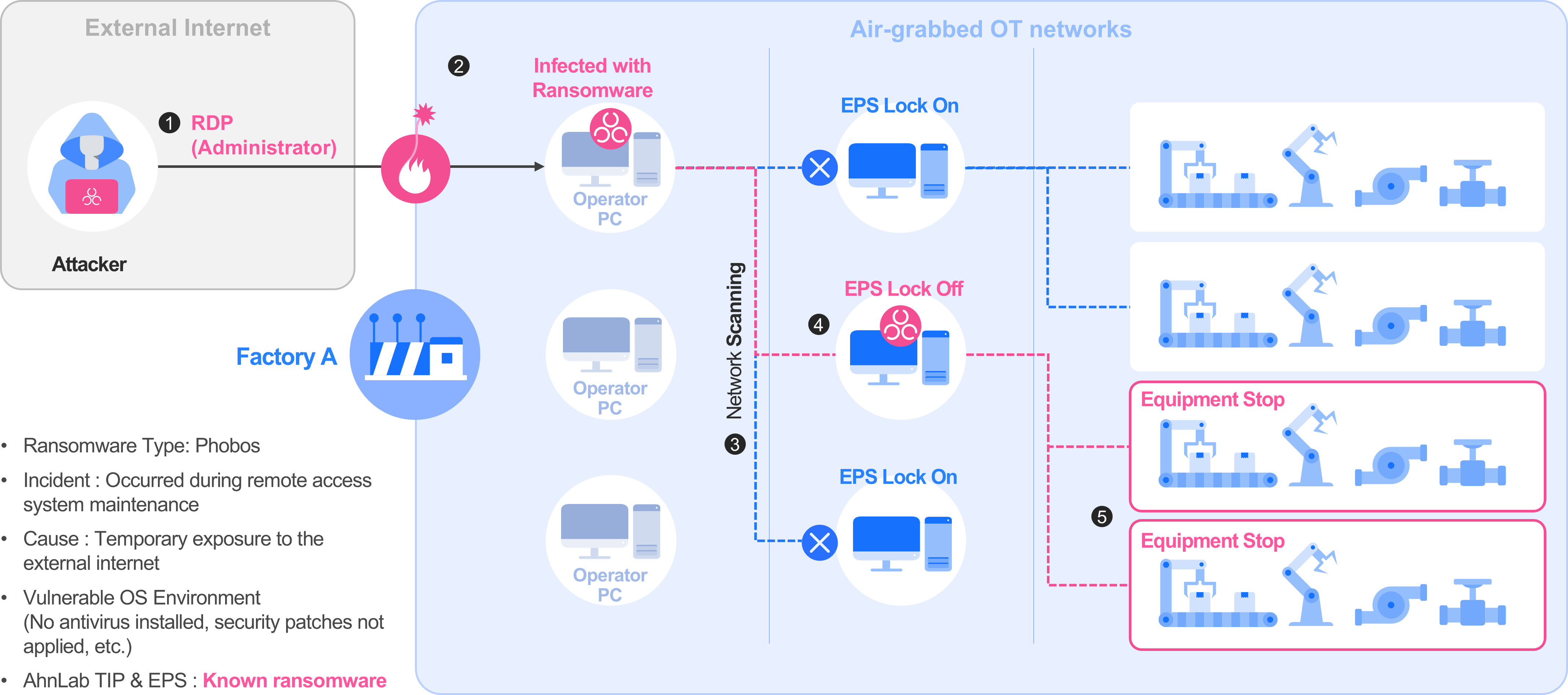
Figure 1. Ransomware attack targeting production systems spreading to internal servers via RDP
As ransomware becomes tightly coupled with business operations, simple system recovery is no longer sufficient. Identifying and eliminating the initial attack vector is critical. Common entry points include compromised VPN credentials and exploited vulnerabilities, emphasizing the importance of external attack surface management and access control.
Infostealer Malware: Stealthy Distribution via Legitimate Platforms
Infostealer malware is another rapidly growing threat alongside ransomware. These malware strains collect sensitive data such as credentials, browser data, and documents, and exfiltrate them to external servers.
One of the most common infection vectors is through pirated software downloads. Users searching for software are redirected to attacker-controlled phishing pages, where malware is silently installed.
Attackers are also tailoring malware based on operating systems—delivering Windows malware to Windows users and macOS malware to macOS users from the same distribution site. Some variants frequently modify file hashes to evade detection.
Exfiltration techniques are also evolving. Instead of dedicated command-and-control (C2) servers, attackers increasingly use legitimate platforms such as Telegram for data exfiltration, making detection more difficult in enterprise environments.
Phishing-based credential theft remains a critical threat vector. Once an email account is compromised, attackers can gain access to internal systems and collaboration platforms, enabling further lateral movement and data exfiltration. In cloud-centric environments, account security is directly tied to organizational security.
Remote work environments can also be exposed to similar attack scenarios. For example, installing unauthorized software on a corporate laptop can lead to credential theft, including browser-stored credentials and VPN authentication data, ultimately enabling internal network compromise.
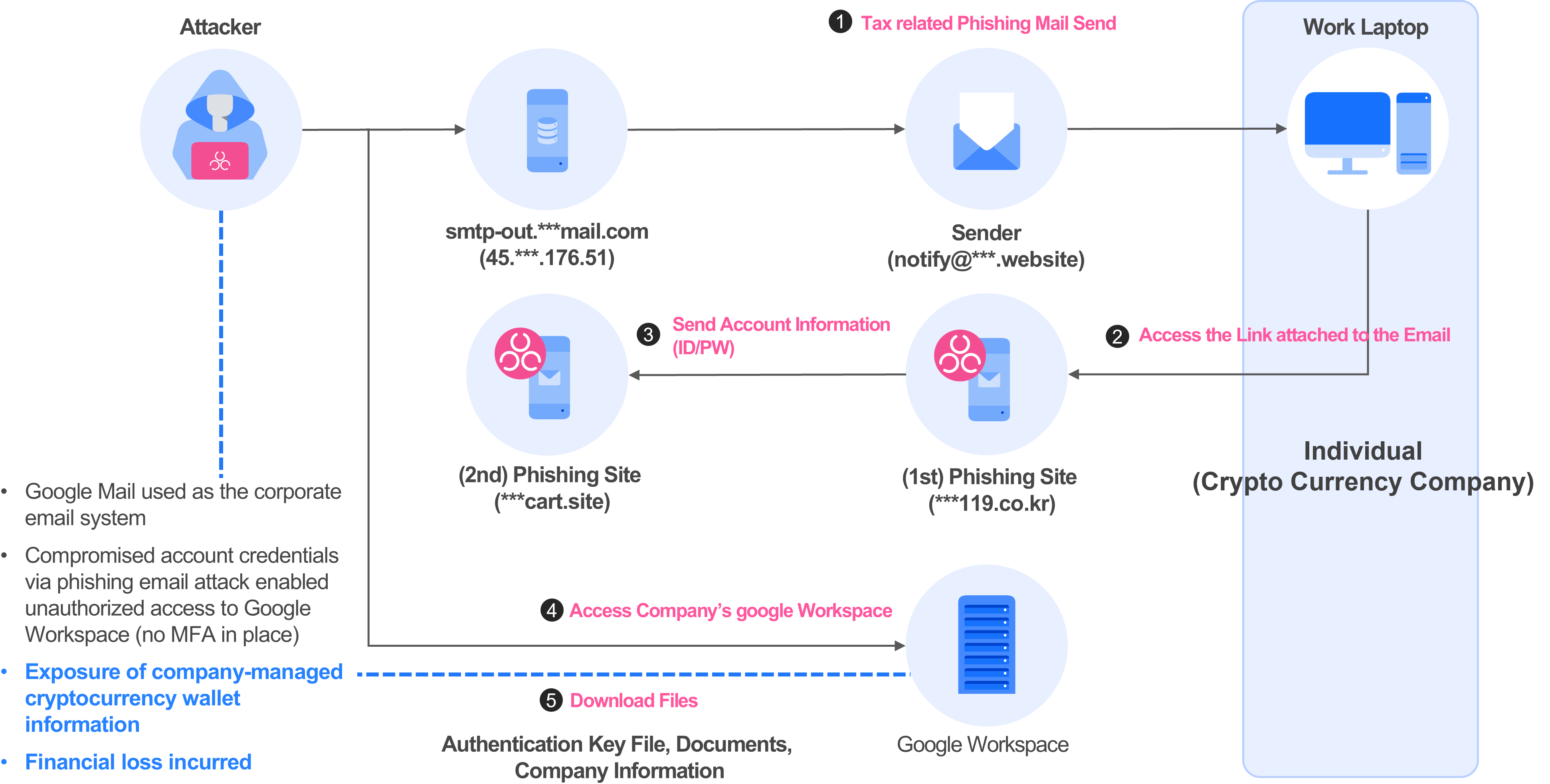
Figure 2. Cloud Data Exfiltration via Phishing-Based Credential Theft
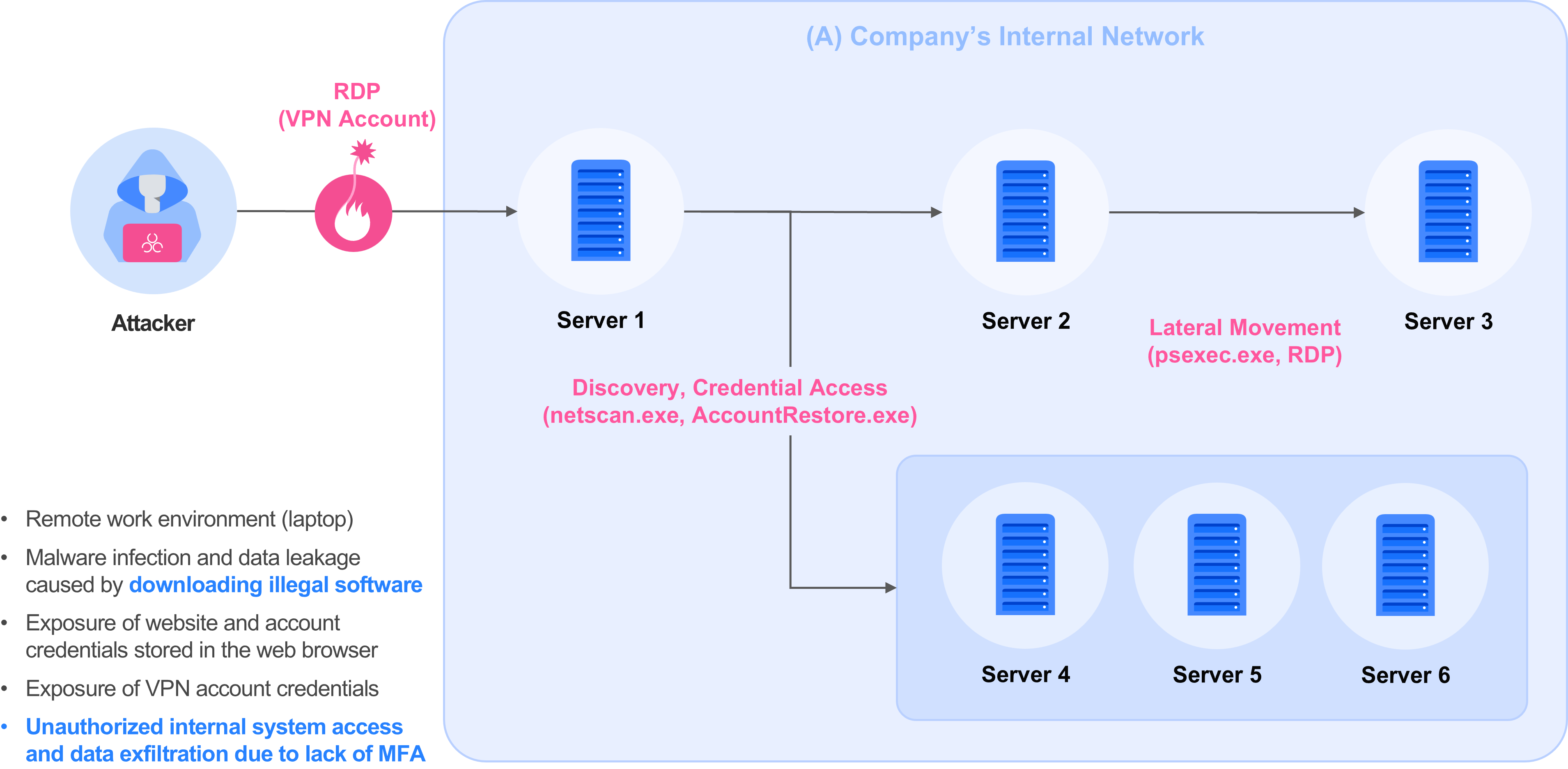
Figure 3. Internal Network Intrusion Using VPN Credentials by Malicious Software Infection
Nation-State Attacks: Combining Watering Hole and Fileless Techniques
Nation-state-sponsored threat actors continue to pose a significant risk. Unlike financially motivated attacks, these campaigns are highly targeted and strategically executed.
Recent cases have shown exploitation of vulnerabilities in widely used security and enterprise software, such as digital signature and authentication applications.
A notable trend is the combination of watering hole attacks and fileless techniques. In one case, a compromised website selectively targeted visitors based on IP whitelisting. Once access was gained through vulnerability exploitation, attackers executed malicious activities without deploying traditional malware files.
Instead, they leveraged legitimate system processes to communicate with external servers and collect sensitive data. Because fileless attacks do not leave traditional artifacts, they are difficult to detect using signature-based methods.
This underscores the limitations of traditional antivirus solutions and highlights the importance of behavior-based detection—such as monitoring process activity and anomalous network communications.
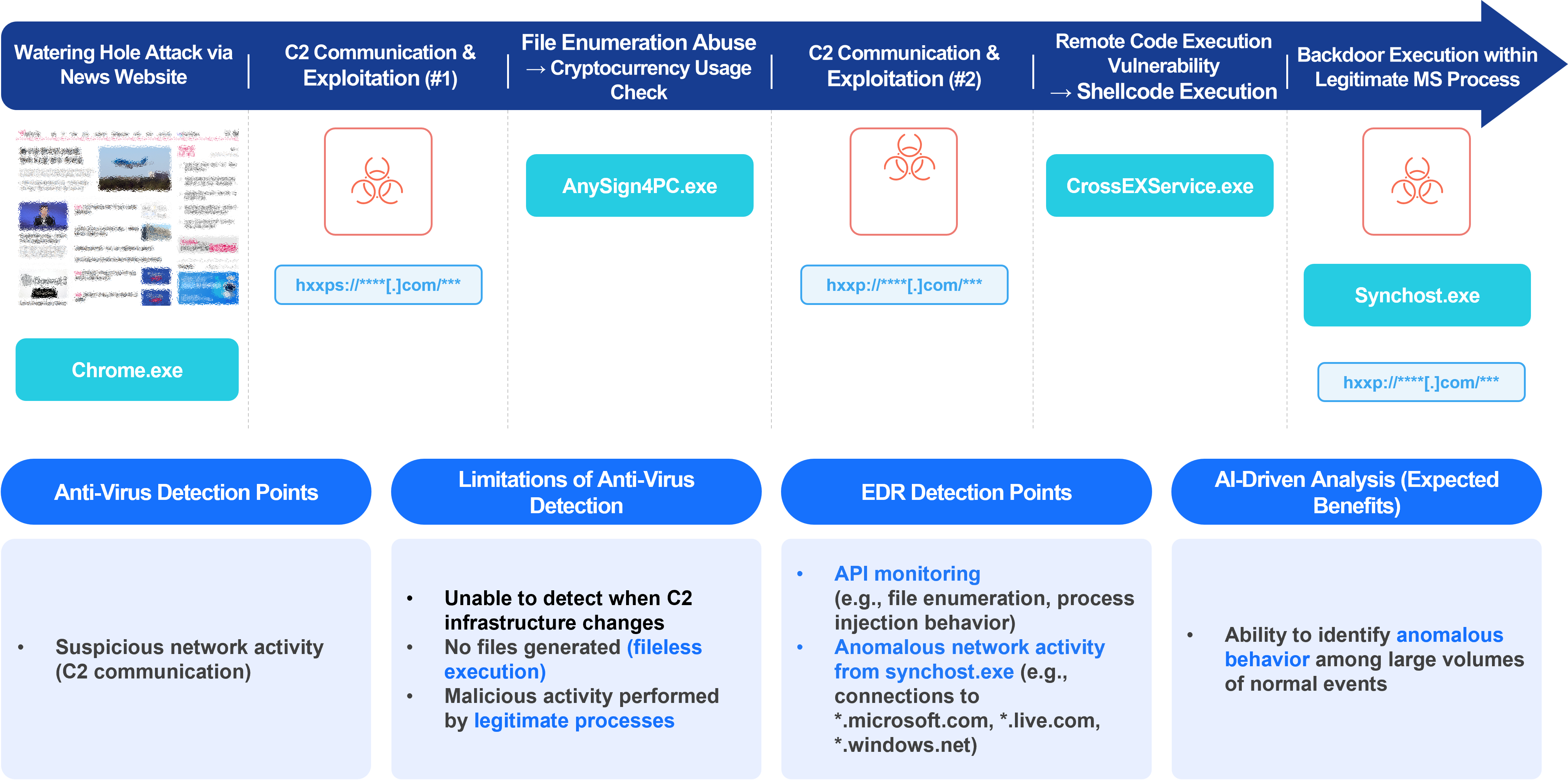
Figure 4. Nation-State Watering Hole Attack Scenario and the Need for EDR Detection Beyond Antivirus
Cyber Threat Outlook for 2026: Expansion Across AI and Supply Chains
Building on current trends, cyber threats are expected to become more complex and pervasive in 2026. Key developments can be summarized into five major themes:
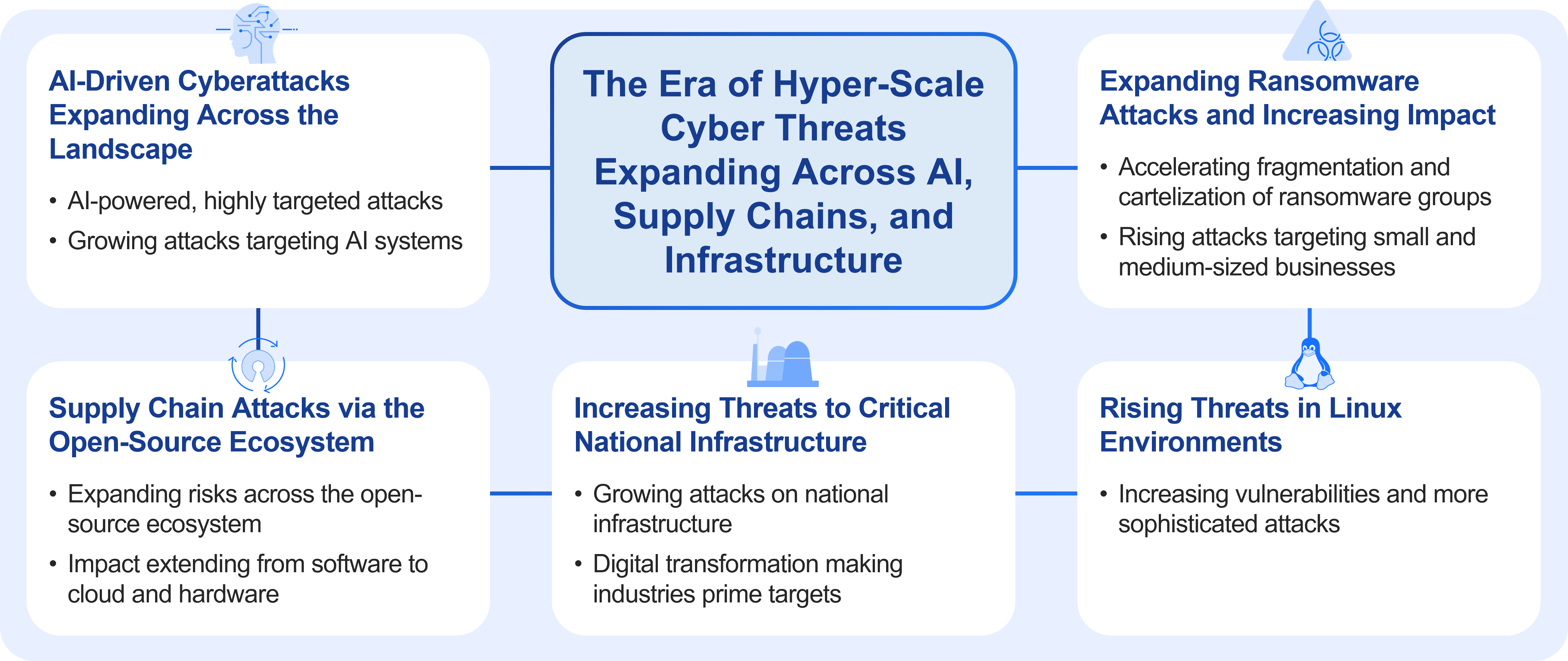
Figure 5. 2026 Cybersecurity Threat Landscape
1) Proliferation of AI-Driven Cyberattacks
AI is emerging as both an attack tool and a target. Threat actors can use AI to analyze environments and generate customized malware, while deepfake-based social engineering attacks—such as voice and video impersonation—are expected to increase. Attacks targeting AI models themselves, including prompt injection and training data exfiltration, are also on the rise.
2) Expansion and Intensification of Ransomware
While international law enforcement efforts have disrupted some major groups, smaller and emerging ransomware actors are filling the gap. Collaboration between APT groups and ransomware operators may accelerate the cartelization of the RaaS ecosystem. SMEs and supply chain partners are increasingly becoming primary targets.
3) Supply Chain Threats via Open-Source Ecosystems
Modern software heavily depends on open-source components. A compromise in a single package can rapidly propagate across multiple projects and environments. These risks extend beyond software to cloud services, MSPs, security vendors, and even hardware-based systems such as IoT devices. Supply chain attacks should be understood not as isolated incidents affecting a single organization, but as structural threats that can impact the entire digital ecosystem.
4) Increased Attacks on Critical Infrastructure
Sectors such as healthcare, manufacturing, and energy are increasingly targeted. Attacks on transportation systems, telecommunications, and other national infrastructure are expected to grow. As OT environments become more connected, attack paths from IT to OT systems are becoming more feasible. These changes are further reinforcing the need to strengthen cyber resilience across industrial environments.
5) Rising Threats in Linux Environments
With most cloud infrastructure running on Linux, a single compromise can impact entire virtualized or containerized environments. The Akira ransomware case, which targeted the hypervisor layer rather than the guest OS, demonstrates how attacks can disrupt entire cloud ecosystems.
Beyond Perfect Prevention: Embracing Cyber Resilience
As cyber threats in 2026 become faster and more sophisticated, relying solely on a strategy focused on preventing all attacks in advance is becoming increasingly ineffective. This shift is often described in modern security strategies as “No More Perfect Guard.” Rather than depending on a security model built on the assumption of perfect prevention, cyber resilience is emerging as a critical approach—one that enables organizations to maintain core operations and rapidly return to a normal state even after an attack occurs.
Cyber resilience refers to an organization’s ability to anticipate, withstand, detect, respond to, recover from, and adapt to cyber incidents. Unlike traditional disaster recovery, which focuses on restoring systems after failure, cyber resilience emphasizes maintaining business continuity even during active attacks, data breaches, or supply chain compromises.
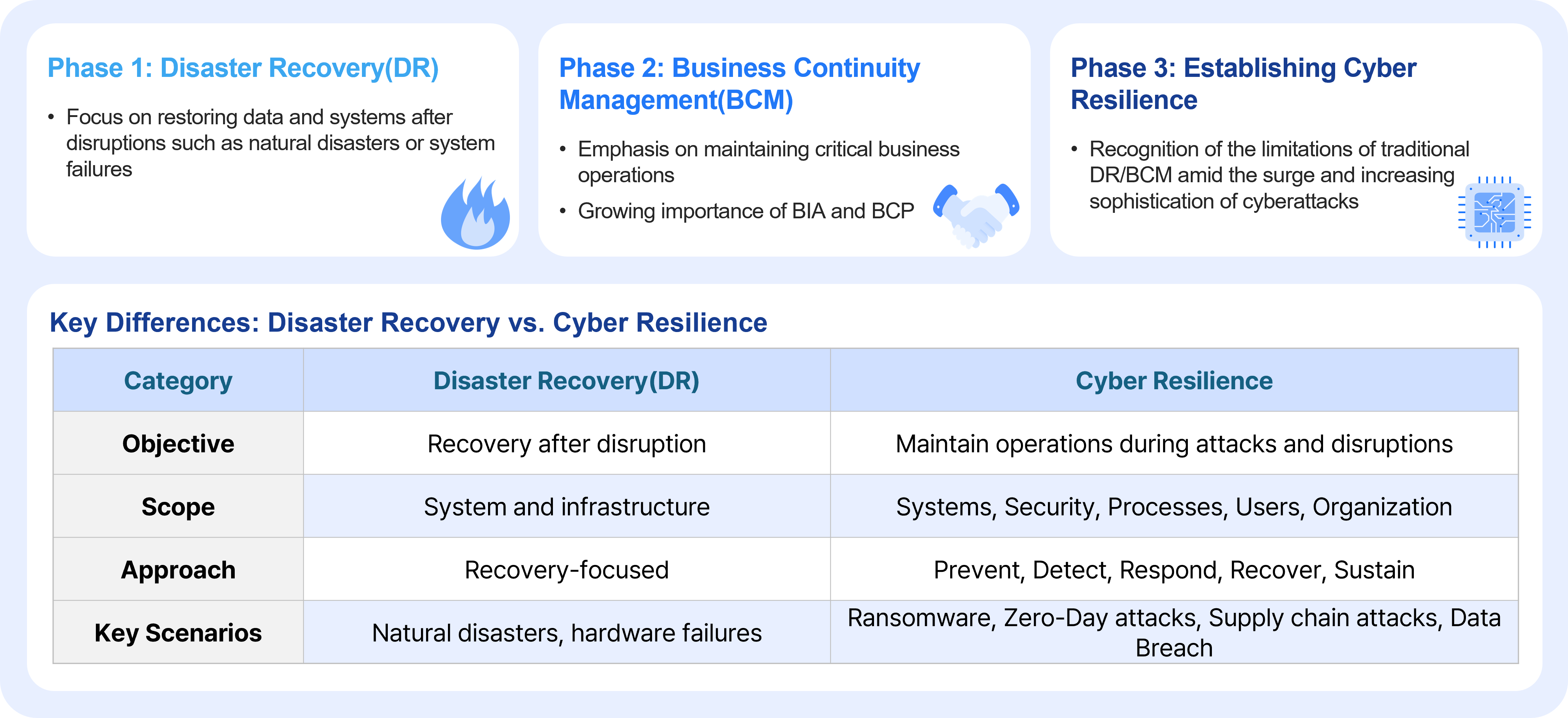
Figure 6. Disaster Recovery vs. Cyber Resilience: Evolution of Concepts and Scope of Response
Achieving cyber resilience requires a holistic approach that spans both technology and organizational readiness.
From a technology perspective, a multi-layered security architecture is essential:
- Antivirus solutions for known threats
- Sandboxing for unknown threats
- EDR/XDR for behavioral detection and attack path visibility
- OT security for industrial environments
- Threat intelligence for proactive threat awareness
These layers must be tightly integrated to enhance visibility and response capabilities.
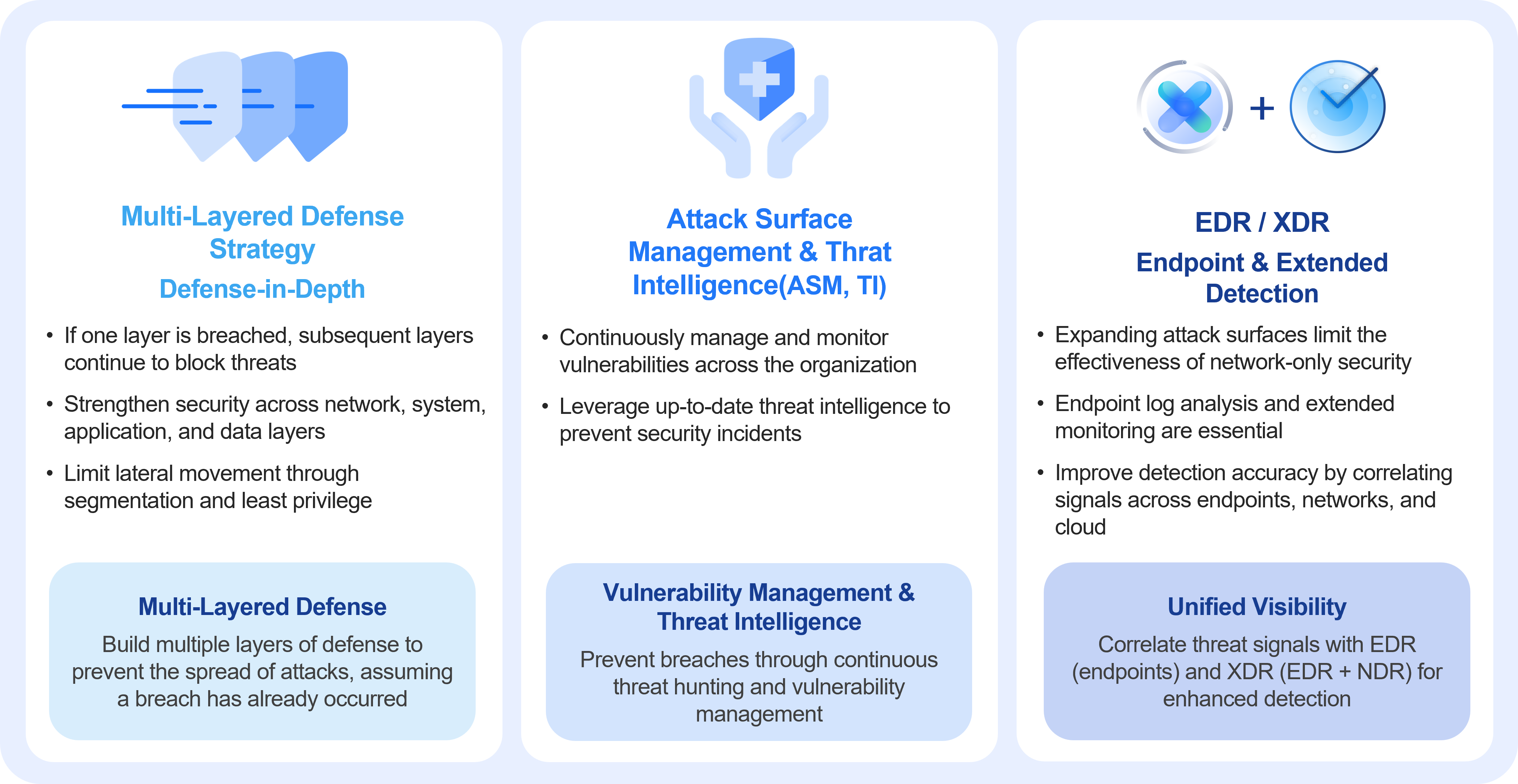
Figure 7. Key Security Technologies for Strengthening Cyber Resilience
However, resilience is not purely technical. Organizations also have to establish:
- Incident response frameworks and decision-making structures
- Financial and legal preparedness
- Compliance and regulatory readiness
- Logging, monitoring, and forensic capabilities
Cyber incidents should be treated as enterprise-wide risk management issues, not just IT problems.
Conclusion
Ultimately, the effectiveness of a modern security strategy is no longer defined by how perfectly attacks are prevented, but by how well an organization can sustain operations and recover under attack.
As ransomware, data exfiltration malware, and nation-state threats continue to evolve, cyber resilience is becoming a critical differentiator for enterprise security and trust.
- AhnLab