How AI Agents Are Transforming Cybersecurity: from Detection to Autonomous Response
AI agents are changing how cybersecurity tasks are planned and executed. Traditional security tools have relied on predefined rules and workflows to analyze events and support human decisions. Given a human-defined goal, AI agents can plan tasks, call tools, and choose what to do next based on the results.
Attackers are also putting AI agents to work. By delegating tactical work to AI agents, attackers can potentially operate faster, at greater scale, and with less step-by-step human direction. In order to mitigate risks, defenders need to interpret sequences of activity in context, infer their likely purpose, and decide what to investigate or do next at comparable speed. This article examines how security operations need to adapt as attackers use AI agents to plan and execute tasks.
How AI agents change who acts in security operations
Security tools initially focused on files and network activity. Over time, they incorporated accounts, access information, user activity, and data correlated across security domains. Security teams used rules and scenarios to analyze these signals, detect threats, and guide responses. Despite the broader range of data, human analysts remained responsible for directing investigations and making key decisions.
The emergence of AI agents is changing how security operations are carried out. People can set goals and retain responsibility for key decisions while AI agents handle detailed planning, call the required tools, and execute tasks within an authorized scope.
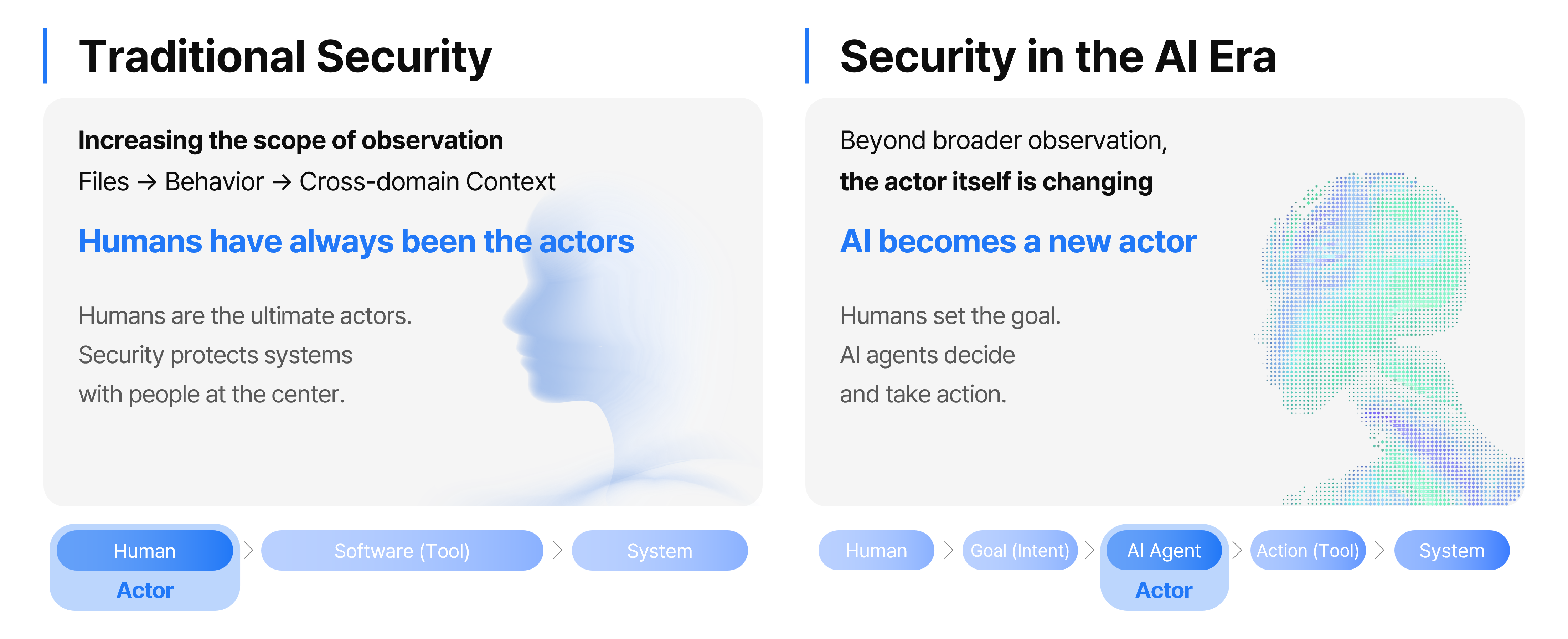
[Figure 1] How AI changes the actors in security
This shift changes how attacks can be conducted. AI can run a sequence of tactical tasks without step-by-step instructions from a person, increasing the potential speed, scale, and autonomy of an attack. In a 2025 analysis, Anthropic estimated that AI handled approximately 80 to 90 percent of the tactical tasks in a specific cyberespionage campaign by the China-linked threat actor designated GTG-1002. Those tasks included reconnaissance, vulnerability discovery, and credential harvesting. Verizon's 2026 DBIR also reported that attackers' use of AI has shortened the window for defenders to respond to known vulnerabilities from months to hours.
From observing actions to understanding intent and context
Individual actions may appear legitimate even when they form part of an attack. An attack could use legitimate accounts and privileges, along with approved tools such as PowerShell, to find, compress, and transfer files. This means that each step might look like routine backup activity even when it is part of a data exfiltration operation.
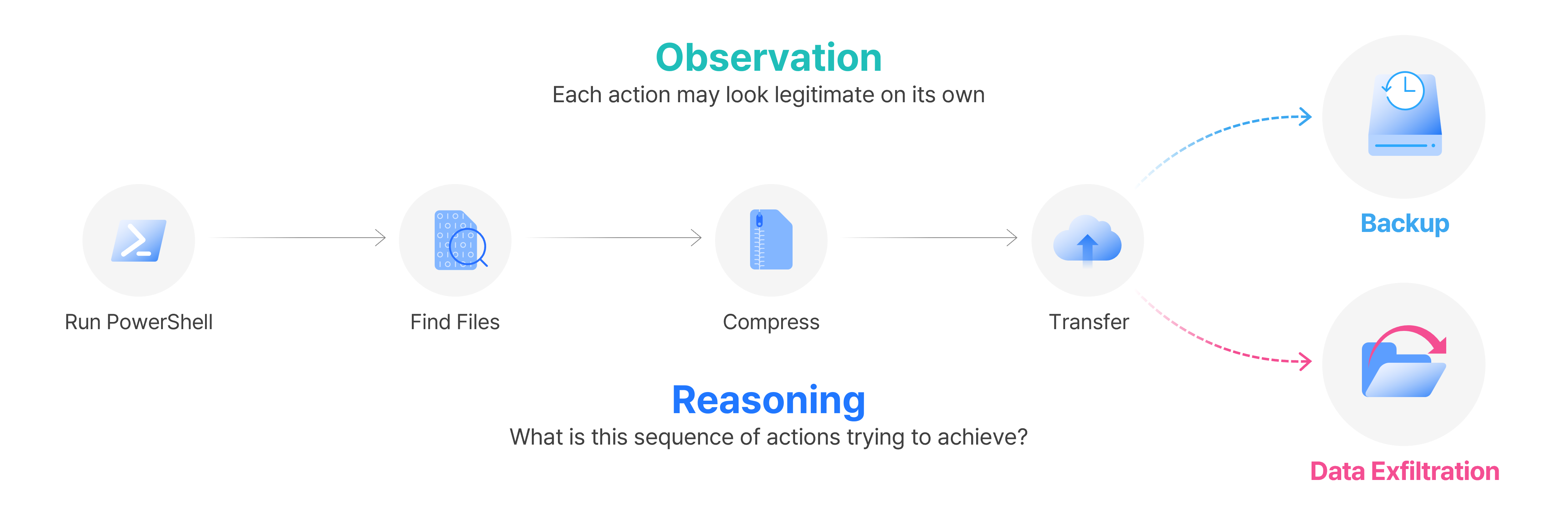
[Figure 2] How similar file operations can indicate backup or data exfiltration
Defenders therefore must correlate the sequence of operations with the account's normal usage patterns, the files accessed, the transfer destination, and nearby events. Together, these signals help determine whether the activity is legitimate or part of an attack and indicate its likely purpose and risk. If the evidence is inconclusive, the system must gather more information before deciding on the next investigative step.
Automated attack sequences also leave defenders less time to investigate. If offensive AI chooses its next action from the result of the previous one, defenders must find related signals and respond just as quickly. Defensive systems therefore need to interpret security context and take appropriate next steps within an authorized scope. In this context, the competition between offensive and defensive AI extends beyond model capabilities. It also depends on how quickly each side can interpret the situation and decide what to do next.
Redesigning security operations for AI-native environments
We see AI-powered security and AI-native security as two distinct approaches to using AI in cybersecurity. AI-powered security supplements existing capabilities and operating procedures. It can improve a specific part of the workflow, such as detection performance or playbook creation. AI-native security places AI throughout the operating process, allowing it to observe the environment, connect related signals, select the next task, and carry out response steps.
We structure AI-native Operations around four stages, Validate, Sense, Reason, and Act. Validate tests attack paths and exploitability in advance within an authorized scope. Sense watches for changes in the environment and signals that depart from normal patterns. Reason connects those signals with security context to identify investigation targets and assess risk. Act plans a response from that assessment and executes it under the applicable policy and approval requirements.
These stages form a continuous operating cycle, not four separate functions. After a response, the process returns to testing possible attack paths, watching for changes in the environment, and investigating new signals. The results of each stage inform subsequent decisions and actions, keeping investigation and response connected within the cycle.
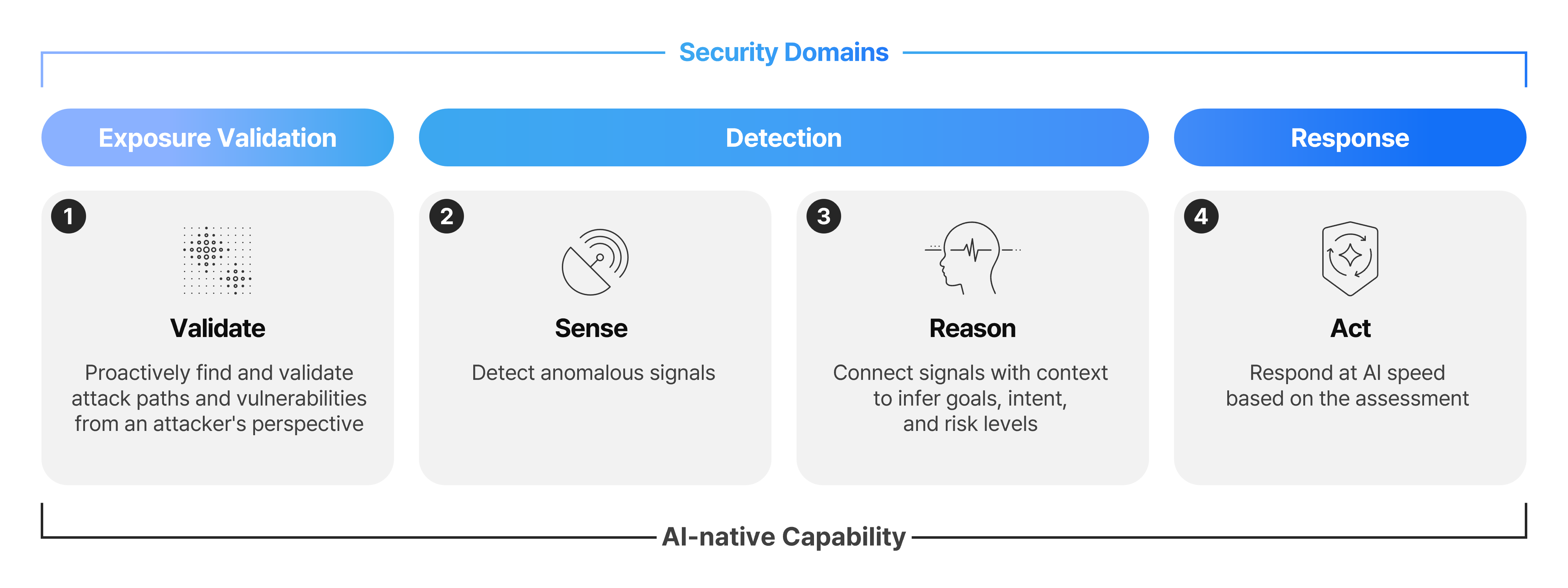
[Figure 3] The four stages of AI-native operations
Two use cases for AI-native operations
We apply the AI-native operating model both before and after threat detection. AI PenTest evaluates possible attack paths in advance and uses each result to determine what to test next. AI Investigation begins with a detected signal, follows related evidence, and reconstructs the attack flow.
AI PenTest
AhnLab AI PenTest evaluates potential attack paths through repeated tests within an authorized scope. In the example, AI finds a file upload feature and tries to upload a JSP file. The attempt fails because the file extension is restricted. Instead of repeating the same attempt, the AI then examines the server response and how uploaded files are stored. Based on these findings, it plans another test using an allowed file format to check whether the restriction can be bypassed.
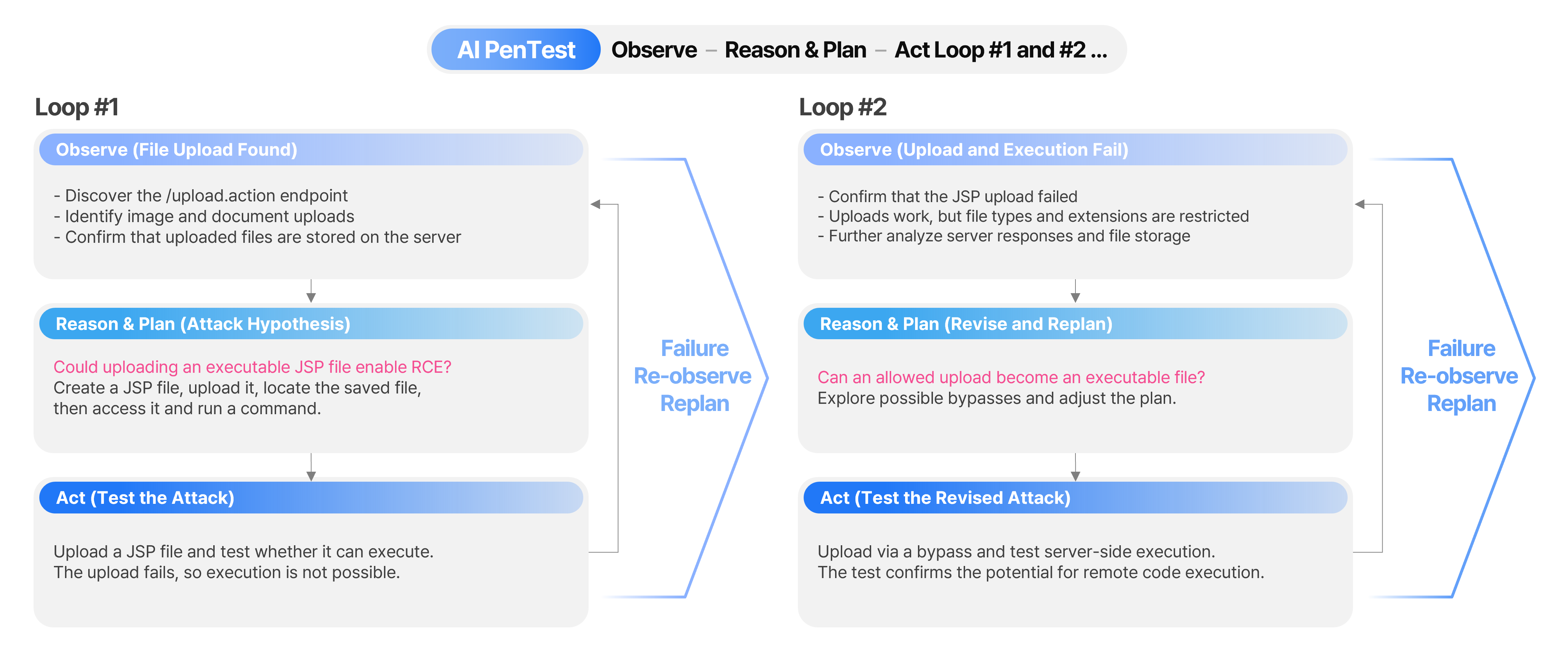
[Figure 4] How AI PenTest adjusts its plan
The key is not whether a single attempt succeeds, but how each result leads to the next step in a continuous cycle of testing and adjustment. After each test, AI PenTest uses the result to revise its attack hypothesis, adjust its procedure, and select the next step. Repeated testing can reveal attack paths that an attacker could exploit, giving security teams an opportunity to address them before an actual attack.
AI Investigation
For defensive investigations, AI can use a detected signal to select the next investigation target and trace related events. An attack might progress from a web shell upload to privilege escalation, credential theft, lateral movement, malware execution, and drive encryption. In conventional operations, analysts detect individual events and then investigate the surrounding context to determine the attack path and impact. They use confirmed patterns to create playbooks that automate the response.
In an AI-native workflow, AI Sensor collects anomalous signals, and AI Triage selects the events to review first. AI Investigation starts with a selected event, searches for related signals, and reconstructs the attack flow. AI Insight presents the inferred objective, risk, and impact for human review. AI Response uses the analysis to plan a course of action and executes it in accordance with applicable policies and human approval requirements.
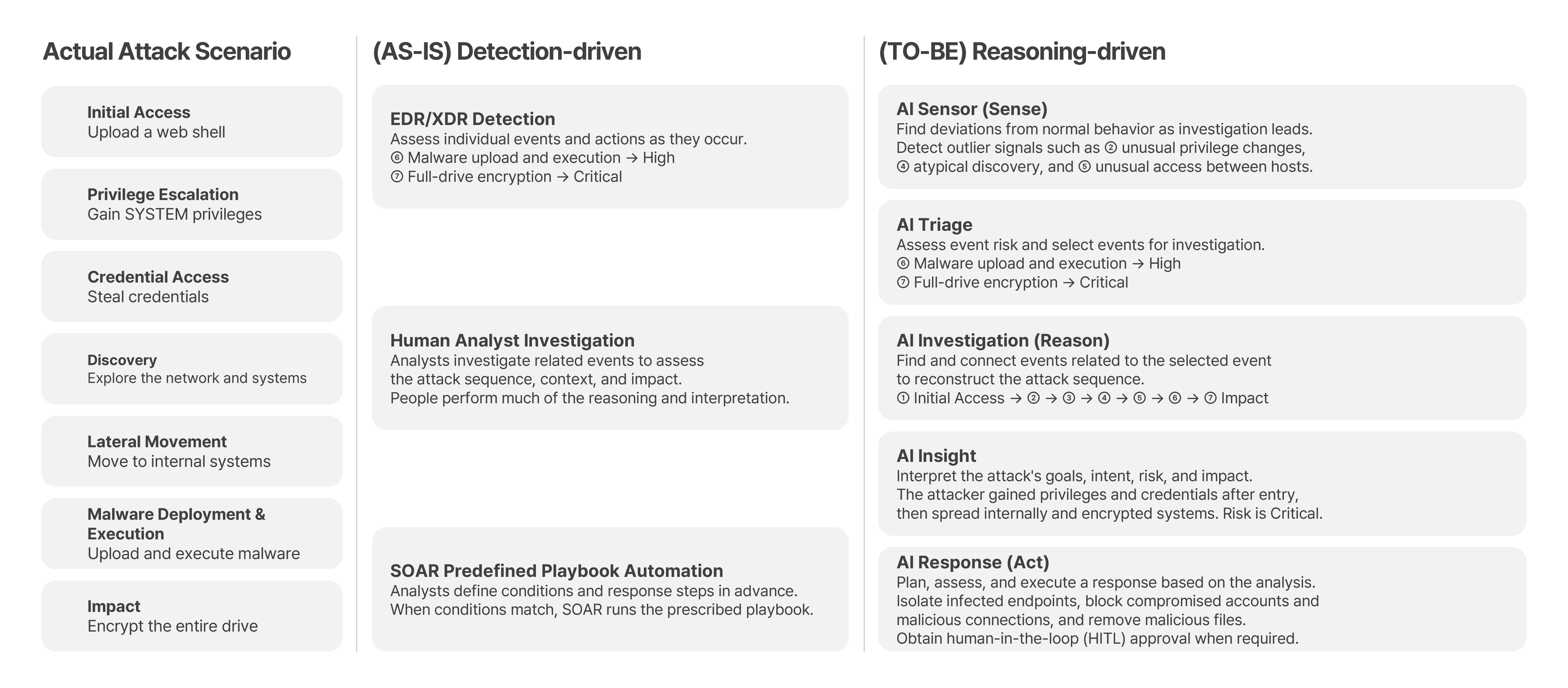
[Figure 5] Conventional and AI-native workflows for investigating and responding to attacks
AI PenTest uses test results to identify the next attack path to examine, while AI Investigation follows related evidence after a suspicious signal is detected. Both workflows use the available evidence to determine their next actions. These decisions depend on how well AI interprets security context and the controls governing what it can execute.
Security reasoning and controlled autonomy
In AI-native operations, reasoning refers to security-specific analysis rather than the general reasoning capabilities of a language model. It involves connecting threat intelligence, IoCs, telemetry, vulnerability information, and other security data to assess risk and determine the next investigation or response. We organize this information based on the relationships among data points so AI can assess events in context.
AI also needs enough autonomy to call the required tools and perform the work. Autonomy requires clear limits on the resources AI can access and the actions it can execute. We call this approach “controlled autonomy”. It relies on four elements that define and govern AI actions. These are audit and traceability, access control, guardrails, and human approval.
Audit and traceability record the decisions AI makes and the tools and tasks it executes. Access control limits which tools AI can use, which resources it can reach, and what actions it can take. Guardrails identify and block actions that violate policy or create unacceptable risk. Human approval ensures that a responsible person makes the final decision on important or high-risk actions. Together, these controls allow defensive AI to investigate and respond within defined permissions and policies while keeping its decisions and actions available for review.
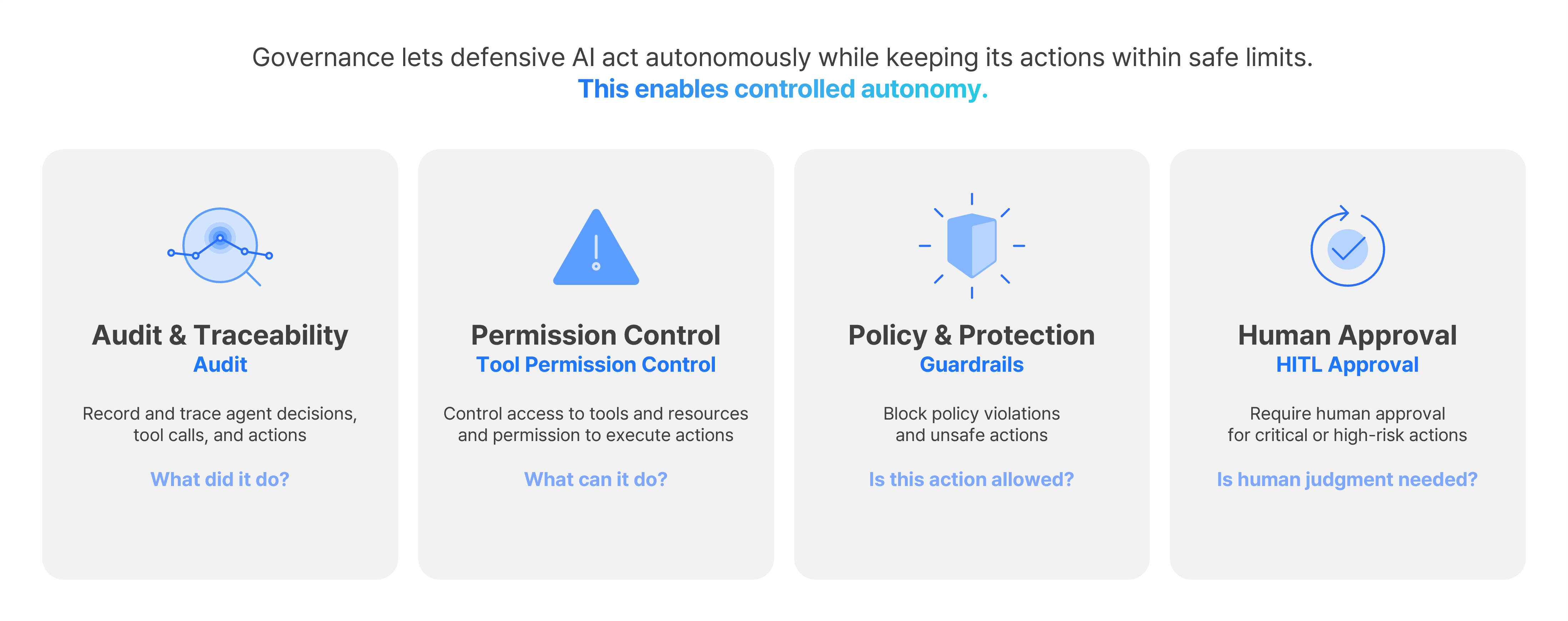
[Figure 6] The four controls that govern defensive AI actions
AhnLab AI PLUS Connects Data, Knowledge, and Tools
AhnLab AI PLUS connects security data and knowledge, product capabilities, AI models, and tools in one platform to support the AI-native operations described above. Different security tasks require different combinations of data, specialized knowledge, analytics, workflows, and tools. AhnLab AI PLUS brings these resources together to support AI-driven investigation and response without relying on a single general-purpose model for every task.
Security Data Fabric connects data from multiple products and external sources. . Unified Security, Exposure Management, and Access Management provide data and capabilities across endpoint security, network security, attack-surface management, and access management. AI-native Operations uses this foundation to run the Validate, Sense, Reason, and Act cycle. AI-native Operations uses this foundation to run the Validate, Sense, Reason, and Act cycle. AI Decision Intelligence combines security knowledge, analytics, workflows, and AI agents to support investigations and decisions.
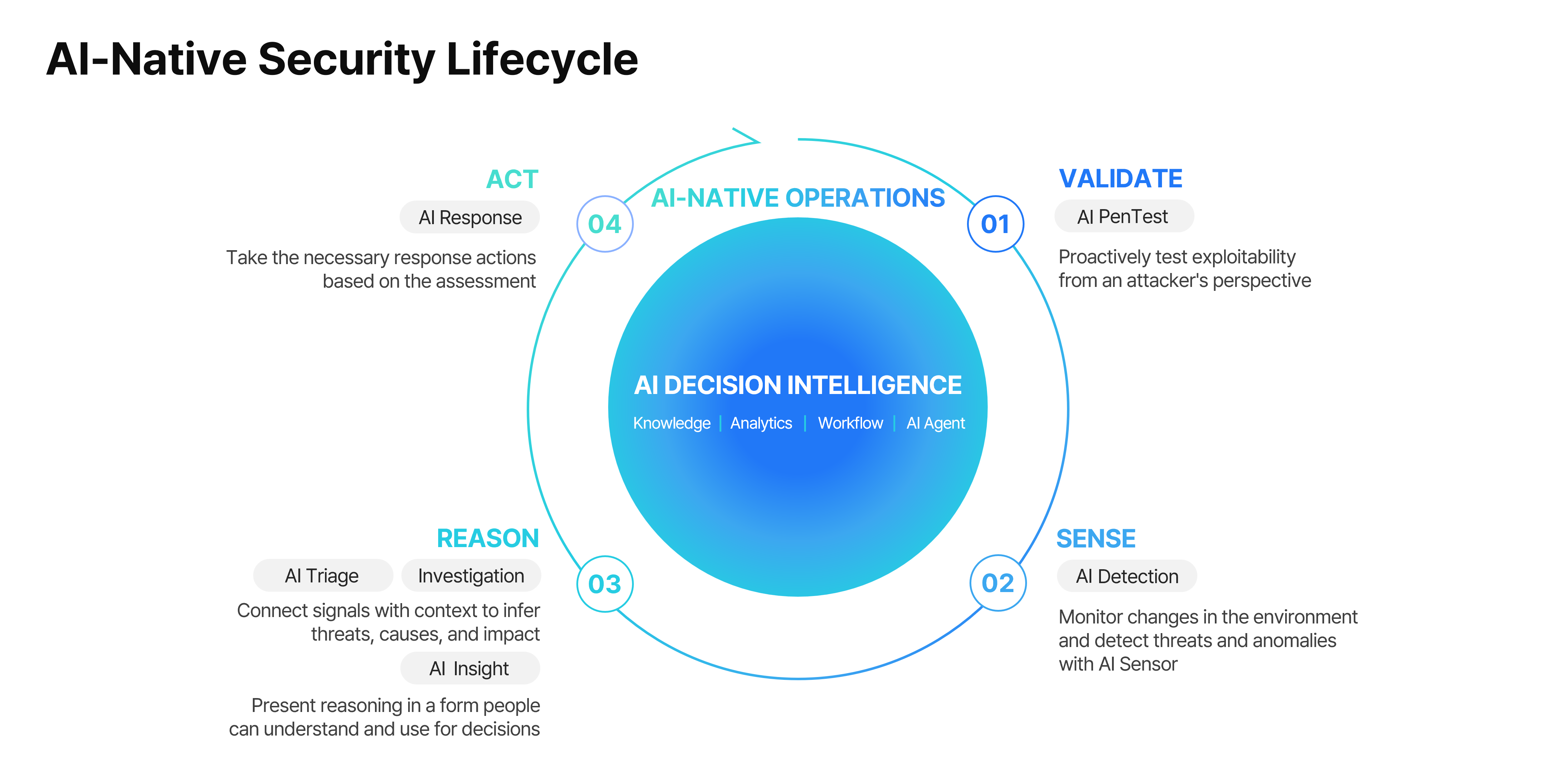
[Figure 7] The four-stage AI-native operations cycle powered by AI Decision Intelligence
AI-native Operations draws on data connected through Security Data Fabric and uses tools across relevant security domains to investigate events and carry out responses. Throughout this process, controlled autonomy keeps AI actions within defined permissions and policies.
As attackers use AI to adapt their next moves, defensive systems must interpret security context and respond at comparable speed. The competition between offensive and defensive AI will depend on how quickly and accurately each side can determine its next action. For defenders, that autonomy must remain within defined permissions and approval requirements, with decisions and actions recorded for review.
- AhnLab


