Toward AI-Native EDR: Deeper Analysis with AhnLab EDR AI Insight
As threat actors increasingly adopt artificial intelligence, cyberattacks are growing rapidly in both scale and speed. Attack techniques are also becoming more sophisticated, further increasing the need for AI-powered security capabilities that can quickly analyze suspicious activity, identify genuine threats, and support timely response at the endpoint— where breaches and damage most often occur and their business impact is felt most directly.
In response to this evolving threat landscape, AhnLab EDR is expanding toward an AI-native EDR in which AI performs threat triage, investigation, and response. As the first step in this journey, AhnLab recently introduced AI Insight, an AI-powered threat analysis capability.
AI Insight analyzes detection events and related activities to provide insight into attacker intent, threat context, and the likelihood of compromise, while recommending appropriate response actions. This article explores the key capabilities and expected benefits of AI Insight.

AI-Powered Threat Context Analysis
AhnLab EDR collects, analyzes, and records endpoint activity to help security teams reconstruct attack chains and determine the root cause of security incidents. However, IT administrators and users without specialized security expertise may find it difficult to interpret the extensive information provided by an EDR platform and determine the appropriate response.
AI Insight addresses this challenge by automating the initial analysis process. It correlates multiple data points to uncover the broader threat context that may not be apparent from an individual event. It also provides guidance for further investigation and response, helping security teams make faster and more informed decisions.
Comprehensive AI-Generated Threat Analysis Reports
When a security analyst requests an AI analysis from the AI PLUS interface in AhnLab EDR Analyzer, AI Insight examines the relevant information surrounding the selected detection event.
It first reviews core detection data, including the detection name, severity level, associated processes, and affected hosts. It then correlates activity that occurred before and after the detection to determine how the attack unfolded.
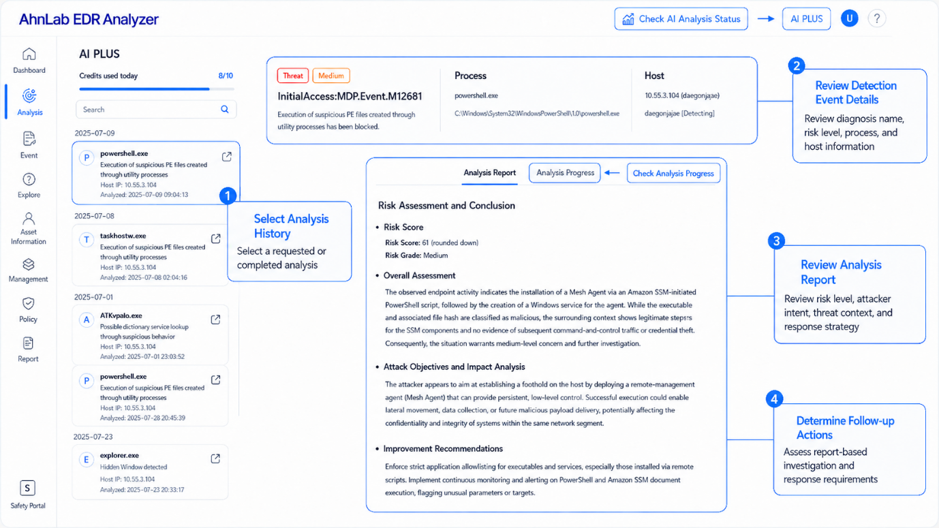
[Figure 1] AI Insight analysis screen in AhnLab EDR Analyzer
During this process, AI Insight analyzes a wide range of data, including:
- Process activity
- File activity
- Network connections
- Registry changes
- System information
- Artifacts and behavioral evidence
- Threat intelligence
- Indicator of Compromise (IoC) reputation data
Rather than reviewing a single detection in isolation, AI Insight evaluates how multiple activities are correlated and what they collectively indicate.
The analysis report also includes supporting evidence. Detected behaviors are mapped to MITRE ATT&CK tactics, techniques, and procedures (TTPs) to show which adversary techniques were used during the attack. Relevant defensive techniques based on MITRE D3FEND are also provided.
In addition, AI Insight integrates threat analysis data from AhnLab TIP and the ASD Portal, enabling security teams to assess detection events from multiple perspectives. This allows analysts to understand not only the significance of the observed activity, but also the defensive measures that can be used to mitigate the threat.
The analysis report includes:
- Risk assessment and overall conclusion
- Attack objective and threat context
- Likelihood of compromise
- Potential impact on the organization
- Recommended remediation and security improvements
With this consolidated report, security teams can assess threat severity, response priority, and the need for further investigation without manually navigating multiple screens and systems.
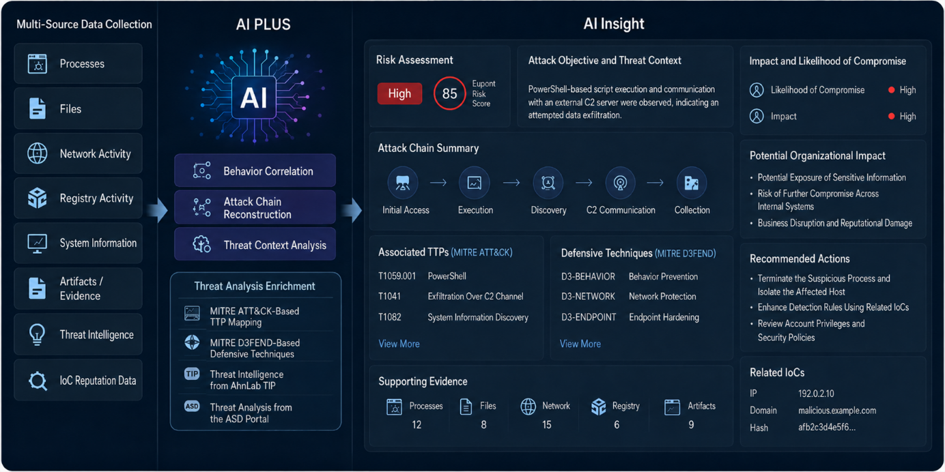
[Figure 2] Conceptual overview of the AI Insight threat analysis and reporting process
The actual product interface may differ
Reducing the Burden of Initial Threat Analysis
Traditionally, security analysts have had to manually compare individual events and behavioral logs to determine an attack’s objective and potential impact. The scope of an investigation and the appropriate remediation actions may also vary depending on the analyst’s experience and expertise.
In environments where large volumes of security events must be reviewed, this process requires significant time and effort.
AI Insight reduces the time required for repetitive event review and initial analysis. In SOC environments, it streamlines initial alert triage and enables analysts to concentrate on high-priority threats.
AI Insight is not intended to replace the final judgment of a security professional. Security teams should use the analysis and supporting evidence provided by AI Insight as a reference and determine the appropriate response and remediation scope based on their organization’s environment and security policies.
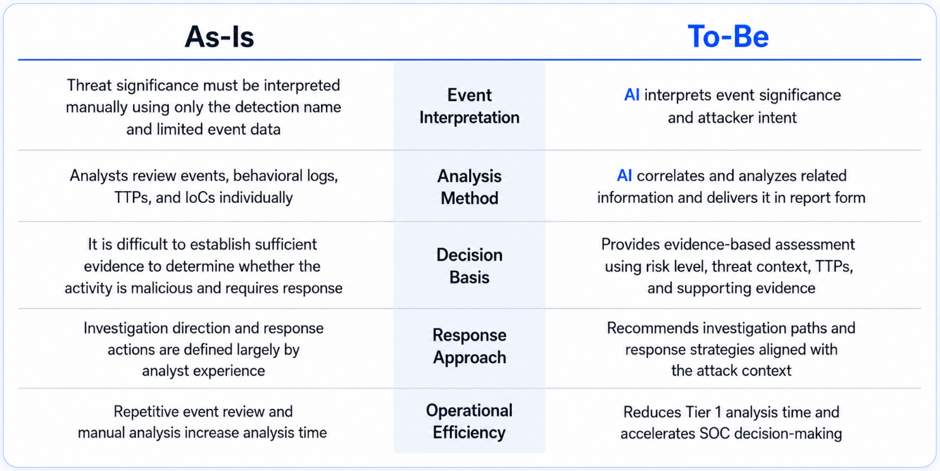
[Figure 3] Comparison before and after the adoption of AI Insight
Extending Threat Analysis and Response through MDR Integration
AI Insight and AhnLab’s Managed Detection and Response (MDR) service support threat analysis and response in different but complementary ways.
AI Insight analyzes detection events selected by an administrator and provides information on attacker intent, threat context, and recommended response actions. AhnLab MDR, meanwhile, provides expert-led investigation and response support tailored to the customer’s system architecture, operational environment, and security posture.
Security teams can first use AI Insight to understand the significance of a detection event and review the supporting evidence. When more advanced investigation is required—such as incident response, threat hunting, or continuous monitoring—they can engage AhnLab MDR.
This approach enables organizations to review routine detection events efficiently while applying professional security expertise to complex and sophisticated threats.
AhnLab MDR already uses AI to improve SOC efficiency, providing MSS and MDR customers with real-time reports powered by AI analysis for tens of thousands of events each day.
AI performs the initial analysis and provides a preliminary report. If further investigation by a security analyst confirms the activity as an incident, an additional incident report is provided to enable a rapid response.
Expanding Toward AI-Native EDR
Starting with AI Insight, AhnLab plans to gradually evolve its EDR into an AI-native solution that connects threat triage, investigation, and response.
The roadmap includes the introduction of the following capabilities:
- AI Triage
- AI Investigation
- AI Response
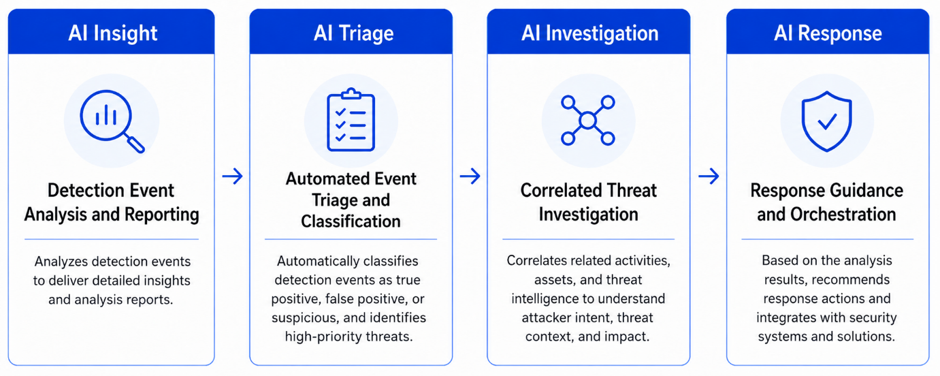
[Figure 4] AI-native EDR expansion roadmap
AI-powered triage, investigation, and response will streamline security operations by connecting alert prioritization, contextual analysis, and response.
AI Triage will reduce tens of thousands of daily alerts to a manageable number by applying AI-driven investigation and risk scoring. It will help analysts distinguish likely true positives from false positives, prioritize suspicious activity, and focus on genuine risks. This is expected to significantly reduce manual workloads and analyst fatigue.
During the Investigation stage, AI will analyze the complete attack chain rather than treating each event as an isolated data point. It will automatically expand the investigation to related events, identify connections between malicious activities, and reconstruct the sequence of the attack.
This approach will improve investigation speed and efficiency by continuously validating findings, reducing uncertainty, and supporting more reliable, evidence-based decisions.
During the Response stage, AI will recommend threat-specific remediation actions and security policy improvements based on the analysis results. Depending on the organization’s configuration and operational policies, response actions may include:
- Sending notifications to affected users
- Isolating compromised endpoints from the network
- Deleting malicious files
- Terminating malicious processes
- Applying detection exceptions
By integrating these capabilities, SOC teams will be able to respond with greater speed and accuracy while improving both operational efficiency and the overall effectiveness of incident response.
▶ Visit the AhnLab EDR Product Page
- AhnLab


