


2026 Endpoint Security Framework: Disrupting Attack Chain From ZTNA to XDR
In 2025, a series of large-scale cybersecurity incidents—including credential stuffing attacks, server vulnerability exploitation, and ransomware campaigns—highlighted critical weaknesses in enterprise security environments. These attacks no longer stop at initial compromise; instead, they follow a multi-stage progression, expanding laterally within the network and ultimately leading to data exfiltration or ransomware deployment.
In most cases, the ultimate impact of an attack materializes at the endpoint within the enterprise environment. As a result, organizations are increasingly prioritizing endpoint-centric visibility and response strategies to understand attack progression and build effective defense mechanisms. From a Cyber Kill Chain perspective, it is important to examine endpoint-centric attack flows and corresponding response strategies, which are discussed in the following sections.

Understanding Attack Progression with the Cyber Kill Chain
One key reason behind the recurrence of major security incidents is that cyberattacks are not isolated events, but rather structured, sequential processes—spanning reconnaissance, initial access, execution, persistence, lateral movement, and ultimately data exfiltration.
While entry vectors vary—ranging from vulnerable servers and compromised credentials to phishing emails—the most significant damage typically occurs after attackers gain a foothold, escalate privileges, and move laterally across the internal environment.
Therefore, effective defense requires more than enumerating individual attack techniques. Organizations must develop a structural understanding of the attack lifecycle—how adversaries operate step-by-step and where risk escalates. The Cyber Kill Chain model provides a widely recognized framework for this purpose.
Originally introduced by Lockheed Martin, the Cyber Kill Chain defines seven stages of an advanced persistent threat(APT) attack:
- Reconnaissance
- Weaponization
- Delivery
- Exploitation
- Installation
- Command & Control (C2)
- Actions on Objectives
The key insight is that cyberattacks are continuous processes. Disrupting even a single stage can effectively prevent the entire attack from succeeding.
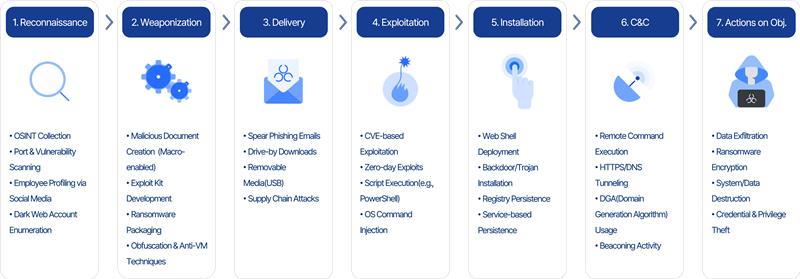
Figure 1. The Seven Stages of the Cyber Kill Chain
Attackers begin with reconnaissance, identifying and profiling their targets. During this phase, they collect open-source intelligence (OSINT), perform port and vulnerability scanning, conduct social media-based reconnaissance on employees, and search for exposed credentials on the dark web.
This is followed by weaponization, where attackers prepare the tools required for compromise. This includes crafting malicious documents, developing or acquiring exploit kits, packaging ransomware, and applying obfuscation techniques.
In the delivery phase, attackers attempt to gain initial access through various vectors, including spear-phishing emails, exploitation of web application vulnerabilities, drive-by downloads, removable media, CVE-based attacks, and supply chain compromises.
Once access is established, attackers proceed with installation and persistence, deploying web shells or backdoors to maintain continuous access. They then establish command-and-control (C2) channels to communicate with attacker-controlled infrastructure.
Finally, attackers execute actions on objectives, such as data exfiltration or ransomware deployment.
The core principle of the Cyber Kill Chain is that an attack is not a single event, but a continuous process. Disrupting any stage of this chain can prevent the attack from succeeding.
Why Cyberattacks Are Evolving Faster Than Ever
The increasing speed and sophistication of cyberattacks can be attributed to three major factors:
1) Dissolution of the Traditional Perimeter
With the widespread adoption of cloud services, remote work, and mobile environments, traditional network perimeters have effectively disappeared. Security boundaries are now defined by user identity and device context rather than physical location.
2) Limitations of VPN-Based Security Models
VPNs operate on implicit trust—once authenticated, users are granted persistent access to internal systems. This creates a significant risk: if credentials are compromised, attackers can leverage VPN access as a gateway for lateral movement.
3) Fragmented Security Architectures
Standalone security solutions, such as traditional antivirus, are insufficient against multi-stage, sophisticated attacks. Modern threats require integrated security architectures that provide visibility across the entire attack lifecycle.
ZTNA: Preventing Initial Access with Zero Trust
In response to these challenges, Zero Trust Network Access(ZTNA) has emerged as a critical security model.
ZTNA operates on the principle of “never trust, always verify.” Unlike traditional VPNs, which grant broad access after a single authentication, ZTNA continuously validates user identity, device posture, and contextual risk factors.
This enables organizations to enforce least-privilege access—granting users access only to the specific resources they need while blocking unauthorized access attempts. Even in the event of credential compromise, ZTNA significantly reduces the risk of lateral movement, effectively mitigating attacks at the initial access stage.
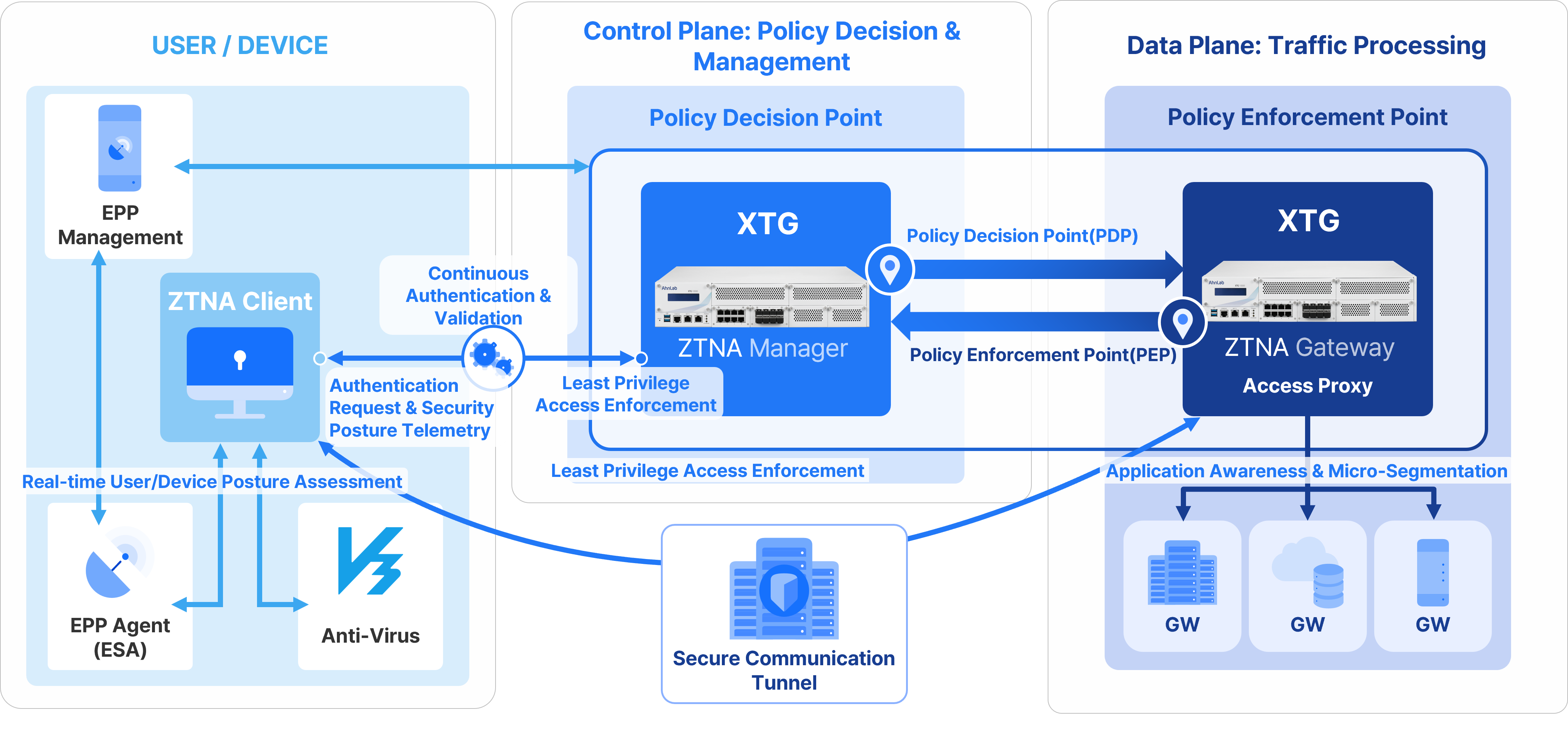
Figure 2. ZTNA-Based Access Control Architecture
Endpoint Hardening: Reducing the Attack Surface
The first line of defense in any security strategy is endpoint hardening—strengthening endpoint security posture and minimizing exposed vulnerabilities.
Key measures include:
- OS and software patch management
- Security configuration enforcement(e.g., password policies, shared resource control)
- Removable media control
- Data protection and data loss prevention(DLP)
Given that sensitive data is often stored on endpoints, strengthening endpoint security is critical for both prevention and containment. In many breach scenarios, attackers pivot from compromised servers to endpoints to harvest data or expand their foothold.
However, managing multiple point solutions—patching, antivirus, DLP—can create operational complexity. This underscores the need for integrated endpoint security platforms that streamline management while maintaining robust protection.
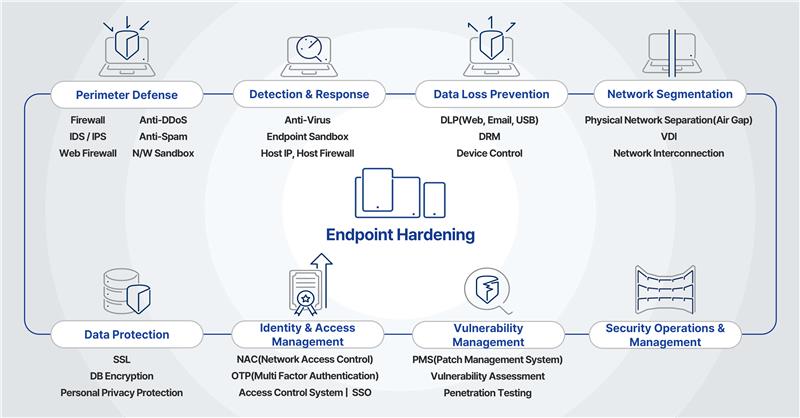
Figure 3. Key Components of Endpoint Hardening
Detecting Unknown Threats with Sandbox Analysis
Modern attacks increasingly rely on polymorphic and previously unseen malware that evades signature-based detection.
Sandboxing addresses this challenge by executing suspicious files in an isolated virtual environment and analyzing their behavior. This includes monitoring:
- Process creation
- Network communication
- System modifications
Through behavioral analysis, sandbox solutions can detect malicious intent even in unknown or obfuscated malware, enabling proactive identification of threats delivered via email attachments, web downloads, or other vectors.
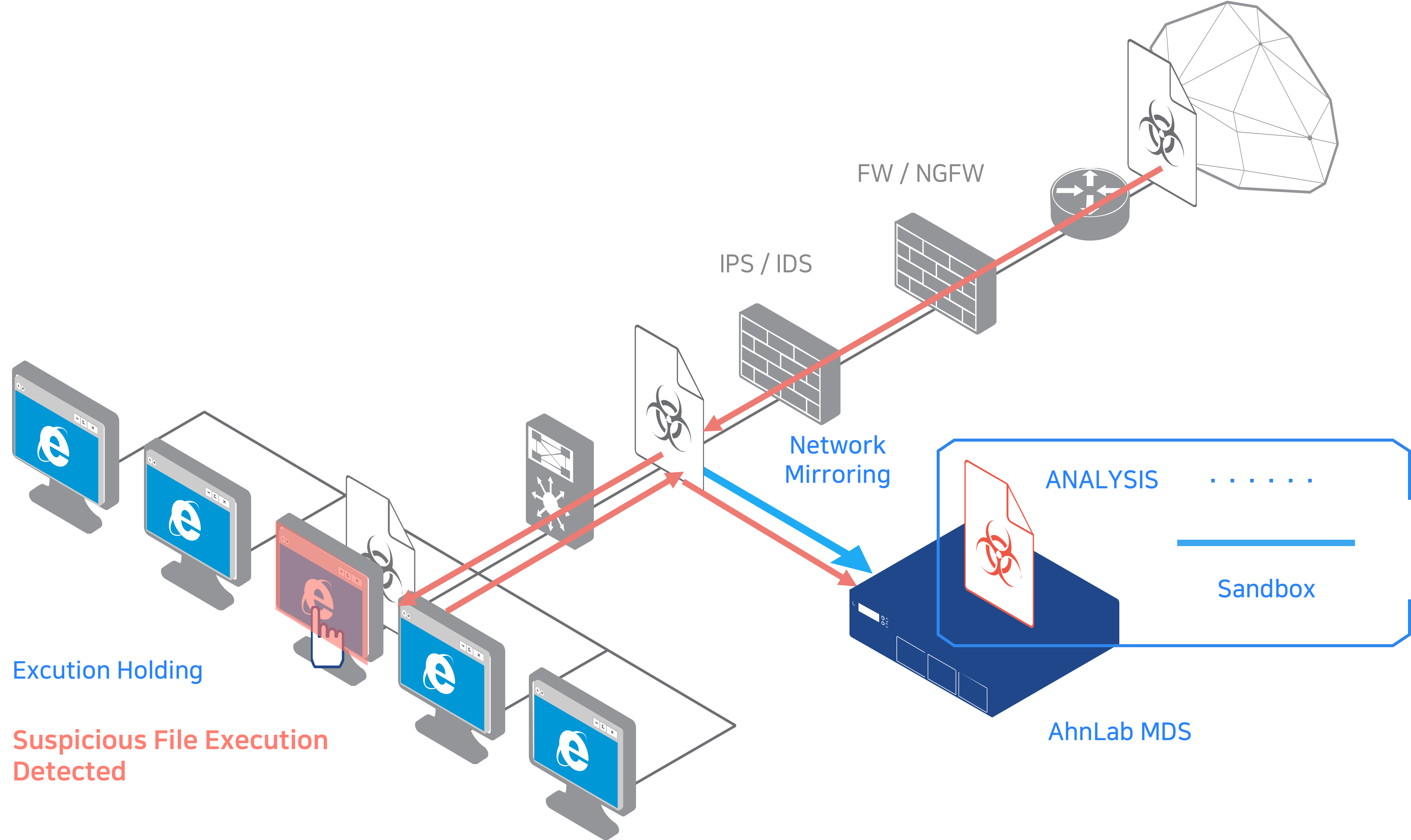
Figure 4. Sandbox-Based Malicious File Analysis Architecture
EDR: Core Technology for Detecting Attack Behavior
Endpoint Detection & Response(EDR) serves as a critical component for detecting and investigating advanced threats. Often compared to a “digital black box,” EDR continuously collects and analyzes endpoint telemetry—including file, process, network, and registry activity.
By leveraging solutions such as AhnLab EDR, organizations gain continuous visibility into endpoint activity, enabling them to detect attacker behavior, trace attack paths, and reduce dwell time—the period during which attackers remain undetected within the environment.
Minimizing dwell time is a key objective of modern security operations, as it limits the attacker’s ability to operate stealthily and execute their objectives.
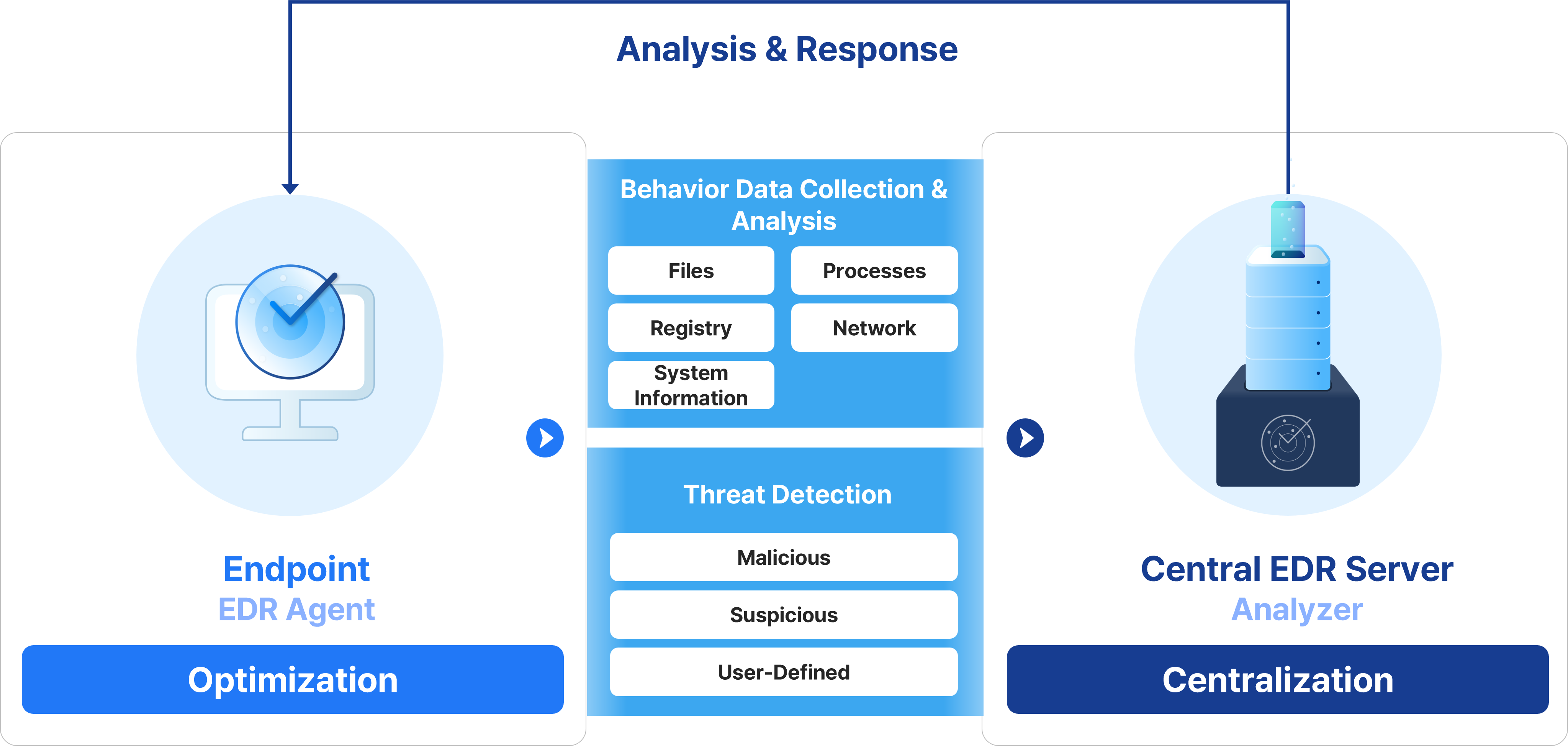
Figure 5. EDR-Based Threat Detection and Analysis Architecture
Common Attack Scenarios Detected by EDR
EDR solutions are capable of identifying a wide range of attack scenarios:
1) Exploitation of Vulnerabilities
Attackers exploit externally exposed vulnerabilities to gain initial access, followed by lateral movement and privilege escalation. This often leads to data exfiltration or ransomware deployment.
2) Spear Phishing Attacks
Attackers craft targeted phishing emails using publicly available employee information. Once a user executes the malicious payload, the attacker uses the compromised endpoint as a foothold to move laterally and escalate privileges.
3) Brute-Force Attacks
Attackers perform large-scale login attempts against exposed services to compromise accounts. Once successful, they pivot within the network, targeting endpoints containing sensitive data.
Despite differing entry points, these attacks share a common pattern: initial compromise → privilege escalation → lateral movement → impact. Detecting threats during this progression—before they reach their final objective—is critical.
MDR: Expert-Driven Response After Detection
While EDR provides detection capabilities, Managed Detection & Response(MDR) adds expert-driven analysis and response.
MDR services analyze EDR-generated alerts to determine whether they represent real threats, providing:
- Contextual threat analysis
- Incident validation(true positive vs. false positive)
- Response guidance and remediation recommendations
Additionally, MDR teams perform proactive threat hunting and deep forensic analysis, helping organizations identify hidden threats and respond effectively.
For example, in one case, suspicious activity was detected within three days of EDR deployment. MDR analysis revealed the presence of tools associated with information-stealing malware, along with misconfigured antivirus exclusions. This enabled the organization to contain the threat before it escalated into a ransomware incident.
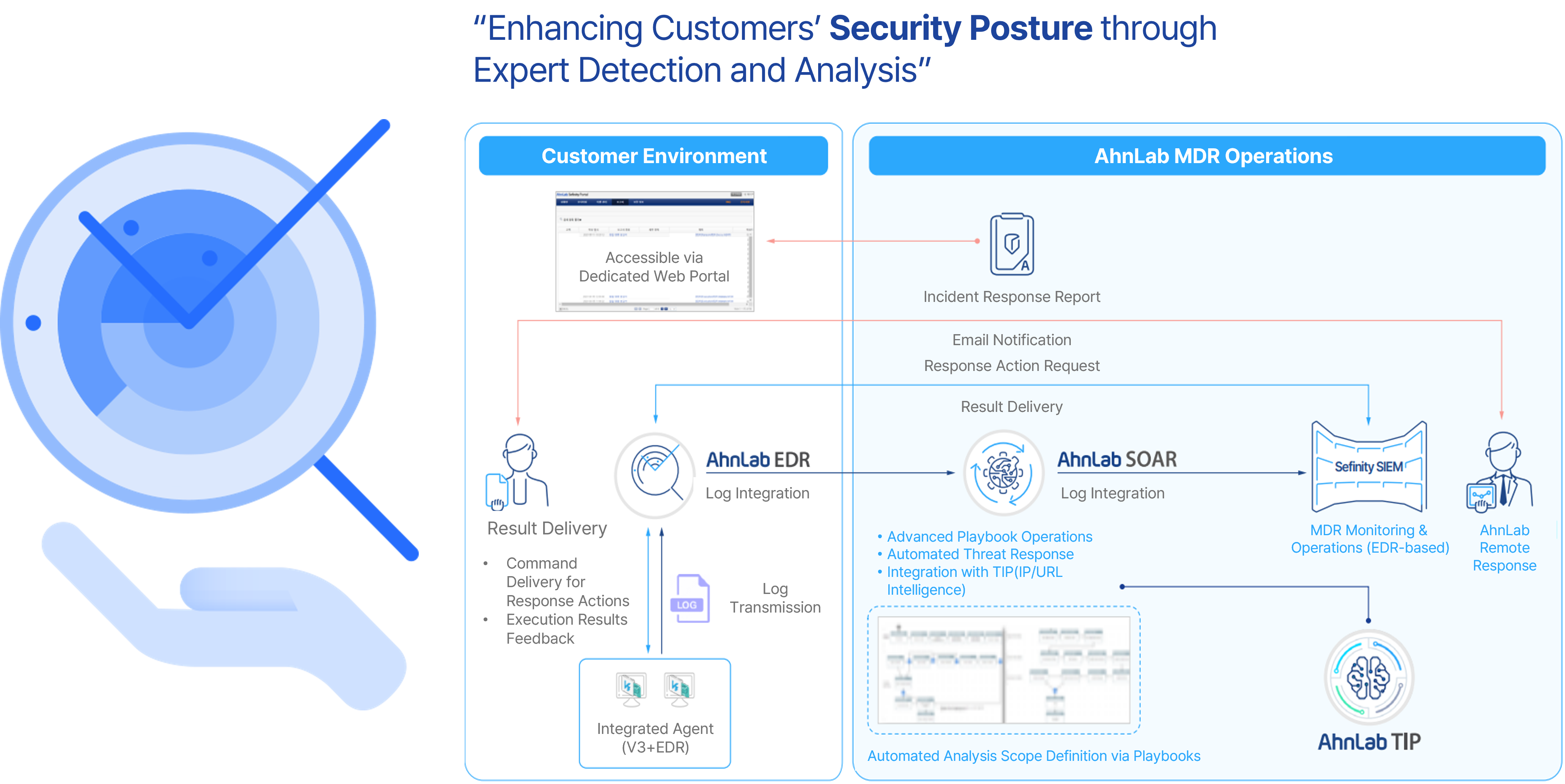
Figure 6. MDR-Based Threat Analysis and Response Framework
XDR: Unified Security Visibility and Response
To fully address modern threats, organizations must adopt Extended Detection & Response(XDR).
XDR integrates data from multiple security layers—endpoints, networks, and cloud environments—into a unified platform. By correlating events across different domains, XDR provides full attack context, enabling more accurate detection and faster response.
Advanced XDR platforms leverage AI and machine learning to assess threat severity and assign risk scores, allowing security teams to prioritize high-impact threats among large volumes of alerts.
Ultimately, XDR shifts security operations from isolated event analysis to holistic, context-driven threat detection and response.
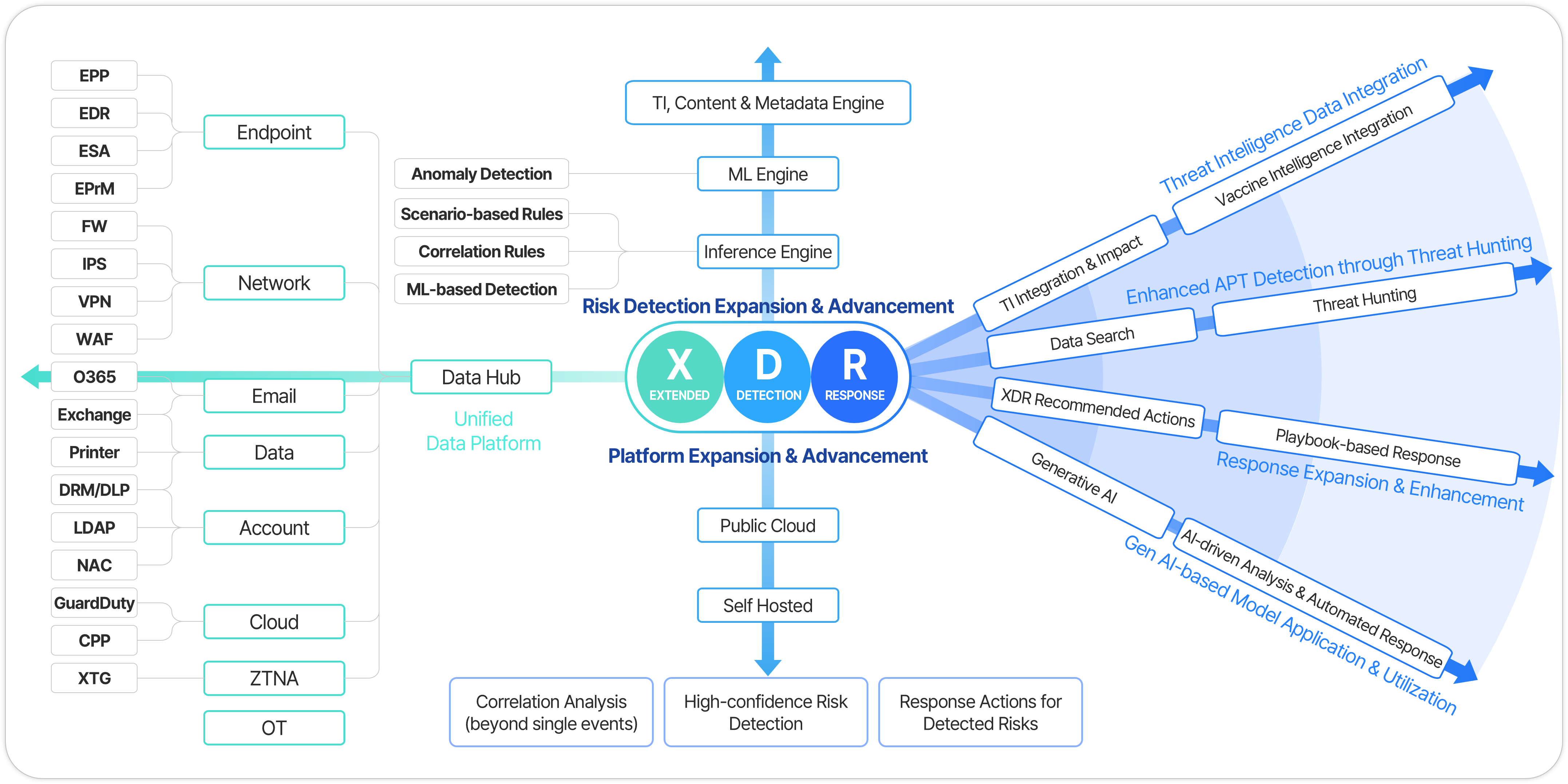
Figure 7. XDR-Based Integrated Security Analytics Platform
Building a Multi-Layered Defense to Disrupt Attack Chains
Cyberattacks are not singular events but interconnected processes. Attackers progress through multiple stages—from reconnaissance and initial access to lateral movement, privilege escalation, and data exfiltration.
Accordingly, security strategies must evolve from single-point solutions to multi-layered defense architectures aligned with the attack lifecycle.
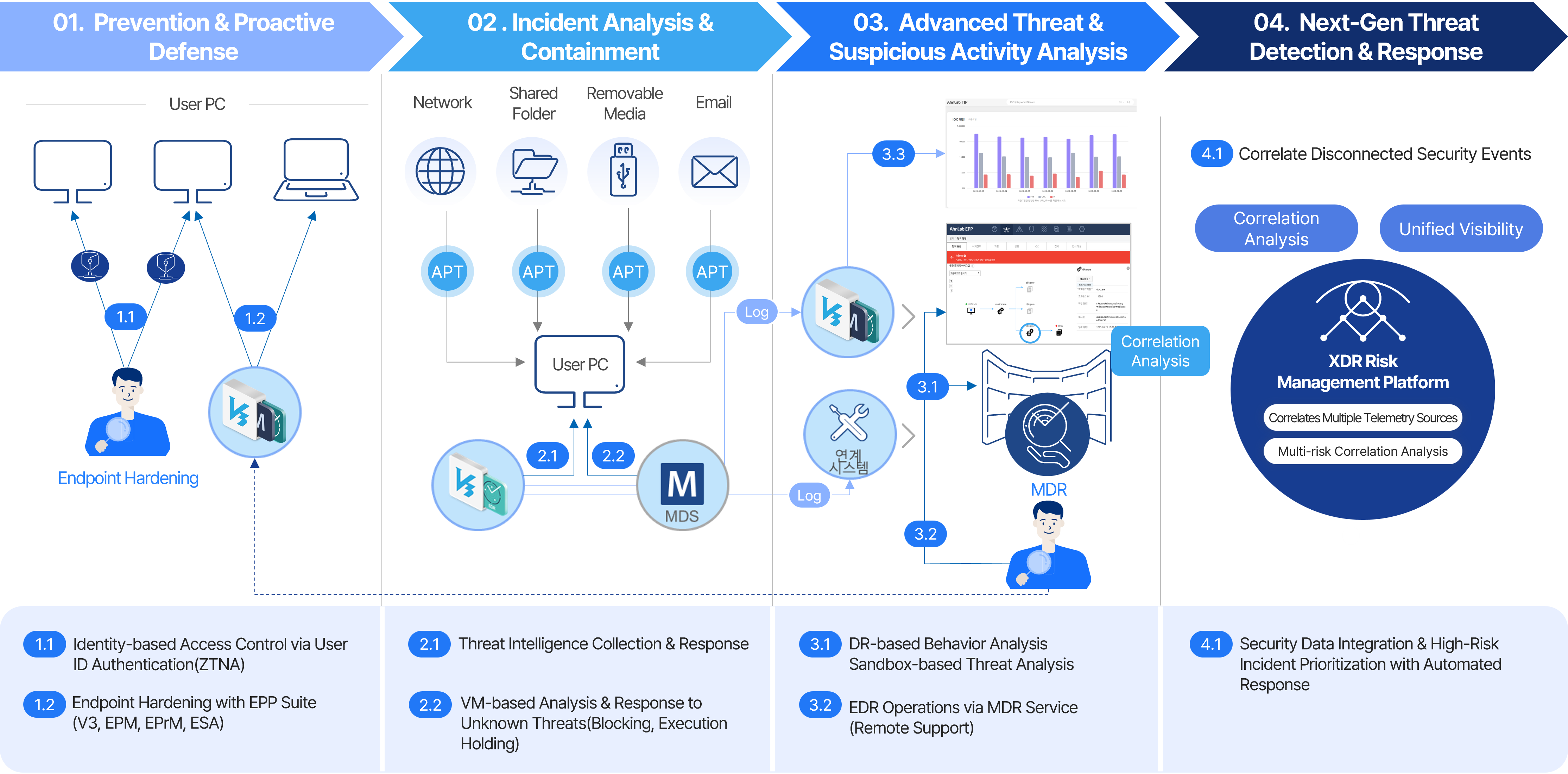
Figure 8. Cyber Kill Chain–Aligned Security Architecture
An effective security framework includes:
- ZTNA-based access control: Prevent unauthorized access
- Endpoint hardening: Reduce vulnerabilities and attack surface
- Sandbox analysis: Detect unknown threats
- EDR-based detection: Monitor and analyze endpoint behavior
- MDR services: Provide expert validation and response
- XDR platform: Correlate and analyze cross-domain security data
By implementing this layered approach, organizations can detect and respond to threats at every stage of the attack lifecycle—from initial access to final impact.
Ultimately, the goal of modern cybersecurity is not simply to defend a single point, but to understand the entire attack flow and disrupt it at any stage.
- AhnLab